PHOTOREALISM / SURFACE STUDY
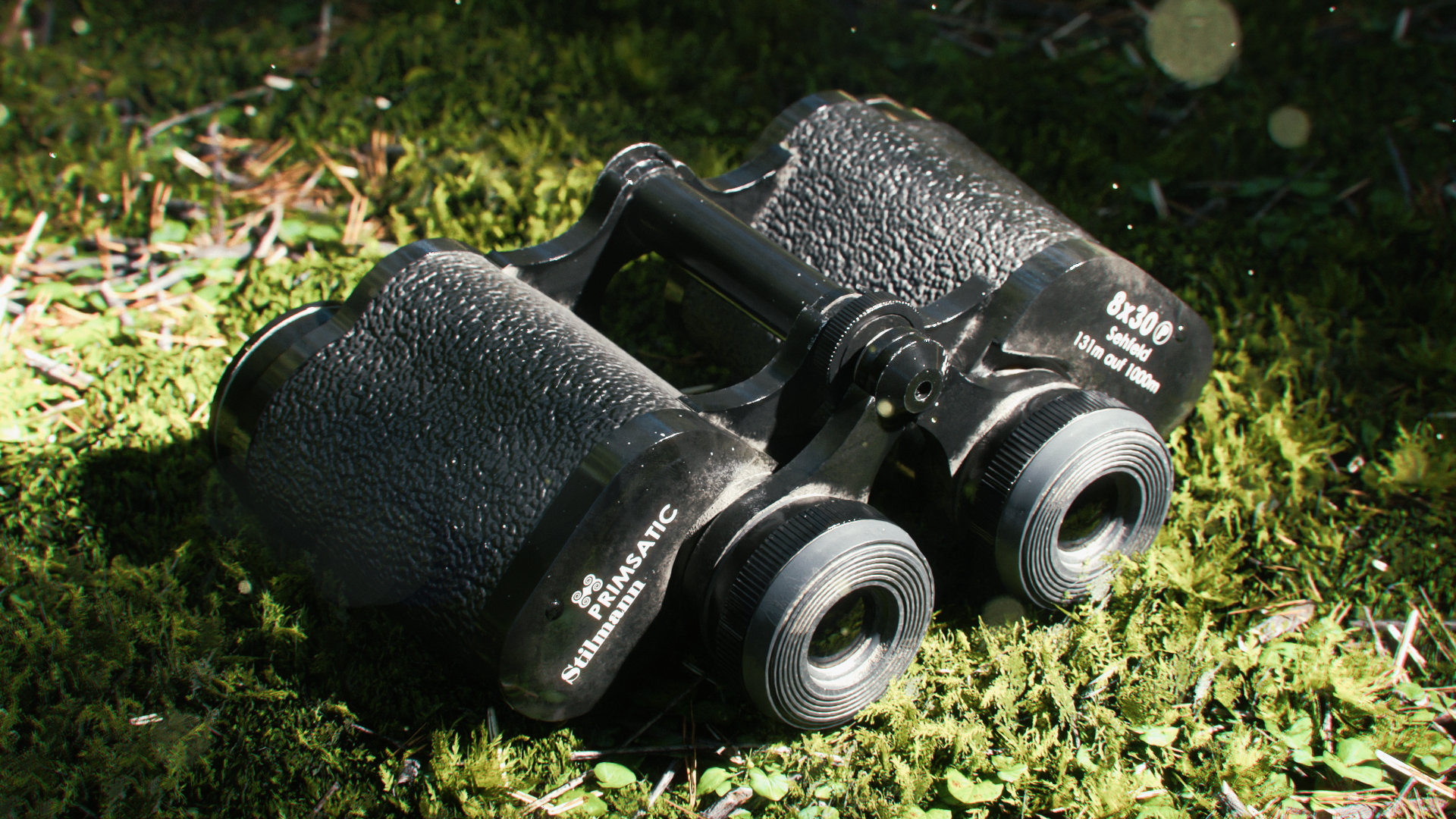
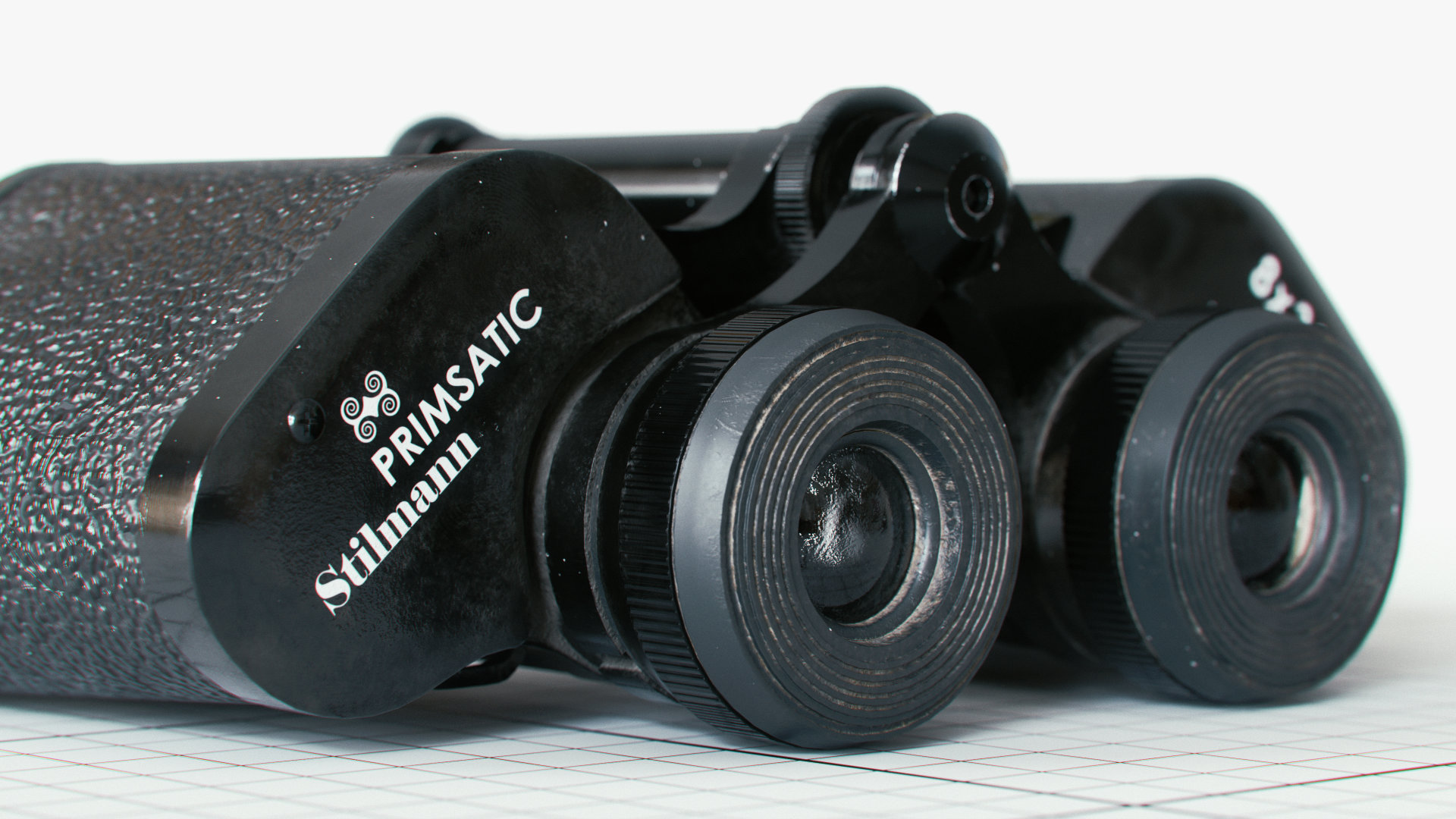
Stilmann Prismatic 8×30
A photorealistic prop study built from photographic observation, clean hard-surface modeling, and a layered Substance Painter material workflow.
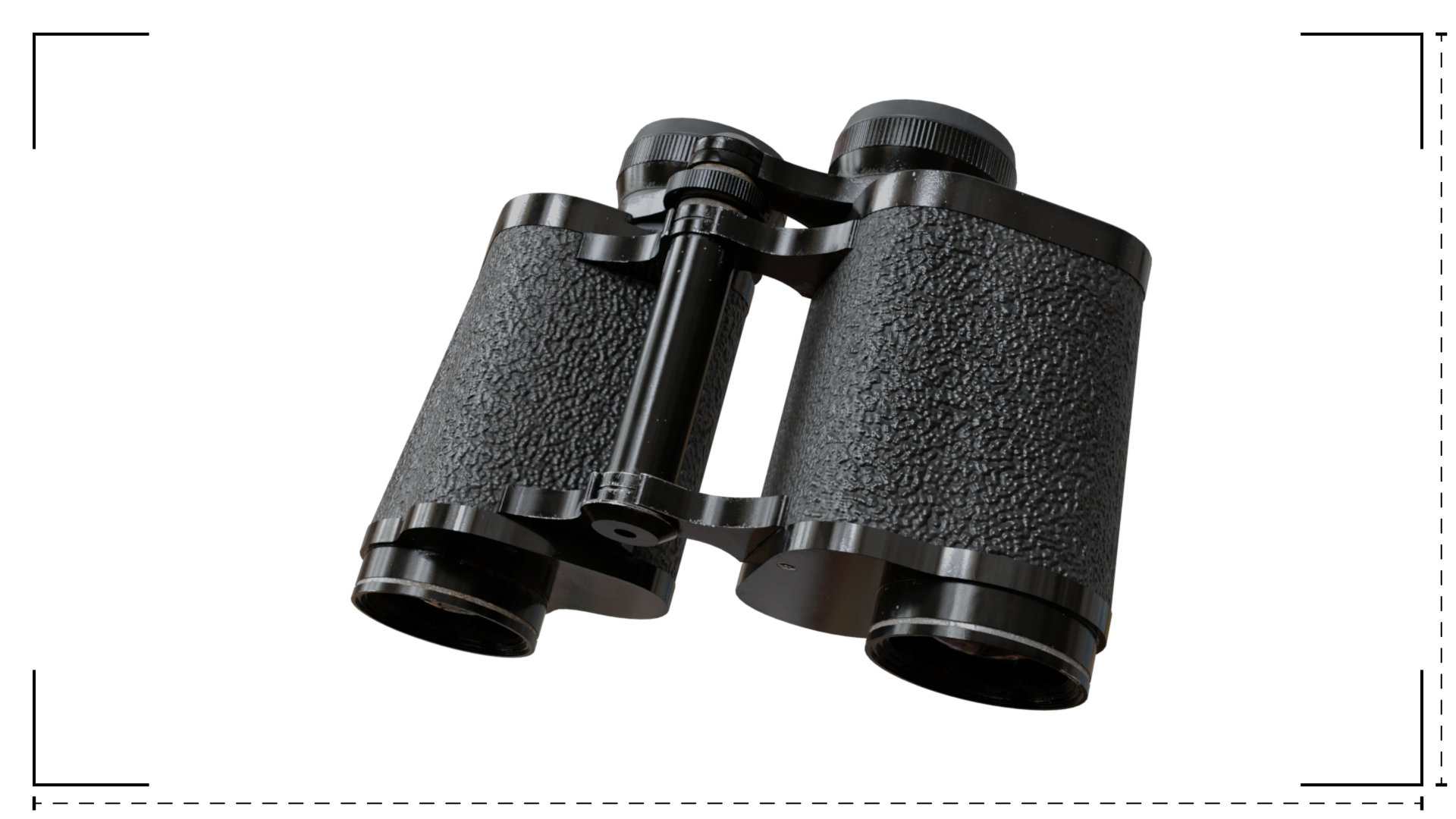
This project began with a real pair of Fielmann Prismatic 8×30 binoculars and a simple question: how convincingly could I reconstruct their materials and surface history in 3D?
The main goal was photorealism, with texturing at the heart of the exercise. I photographed the binoculars from multiple angles and used those images as my primary reference throughout the process. The final model uses the fictional “Stilmann” branding, while the original Fielmann binoculars remain the reference object.
- MODELING
- Blender
- SURFACING
- Substance Painter
- GEOMETRY
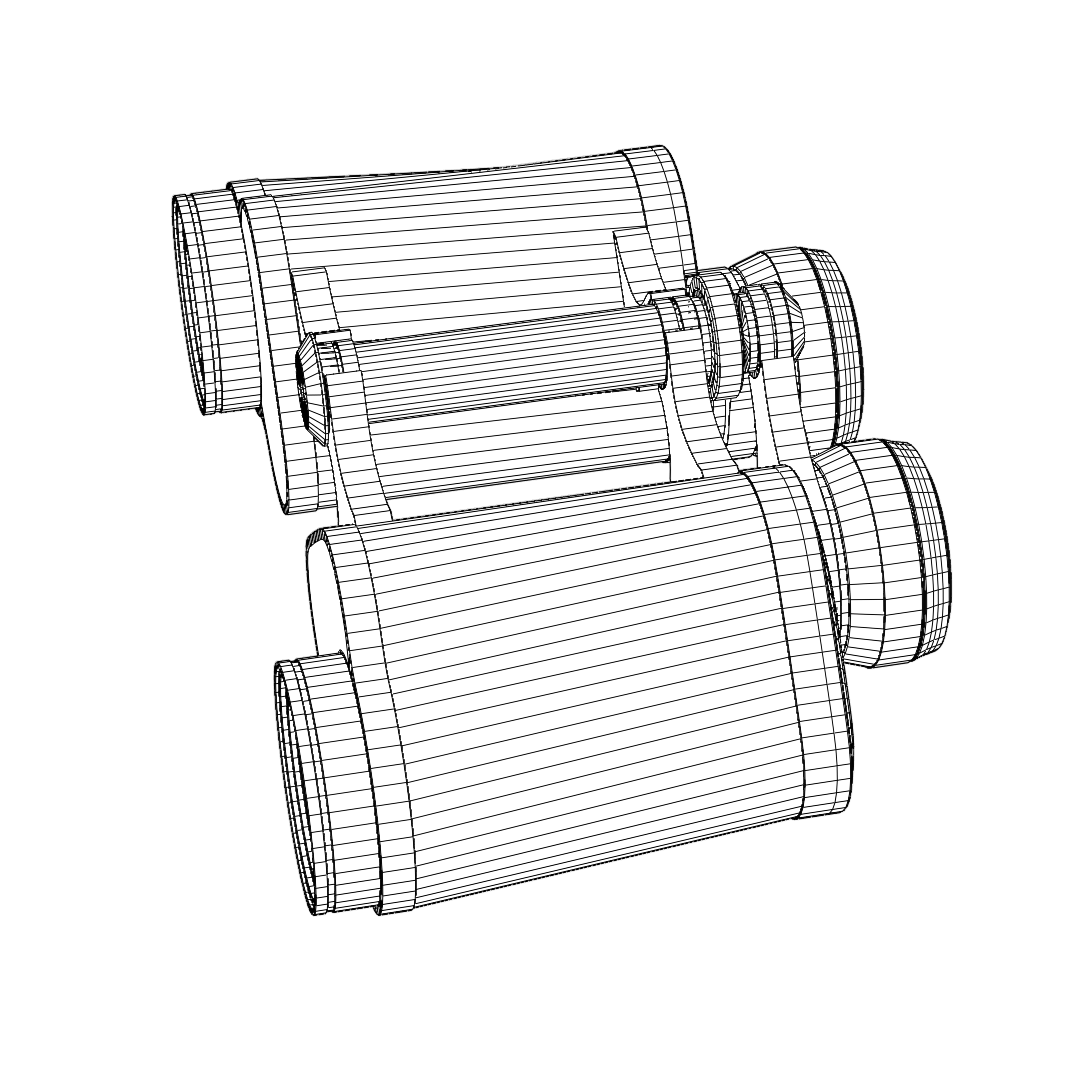
- ≈ 70k triangles
- TEXTURES
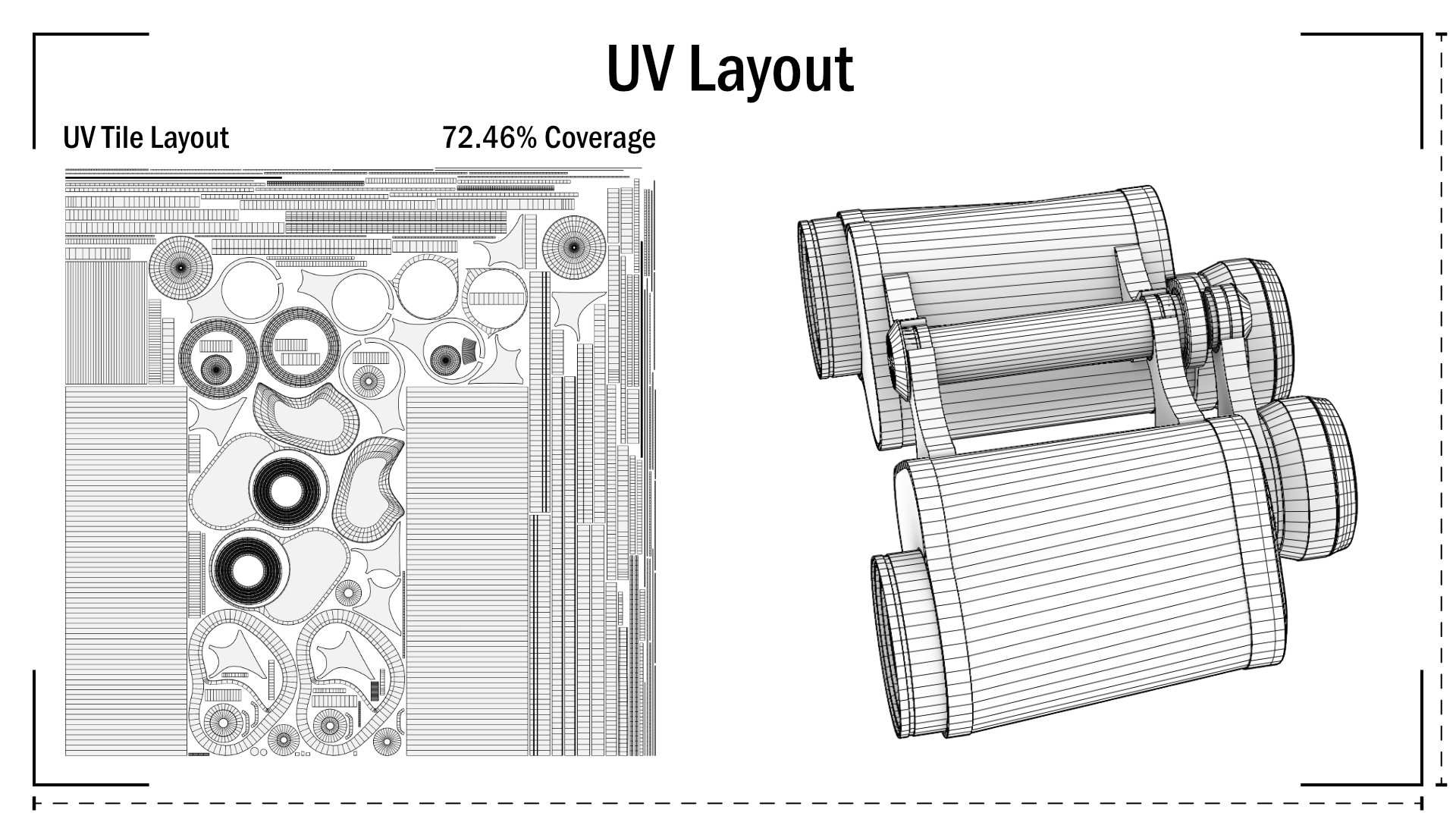
- 4K PBR / 1 UV tile
- UV COVERAGE
- 72.46%
- TIMEFRAME
- 3 days
Reading the object before rebuilding it
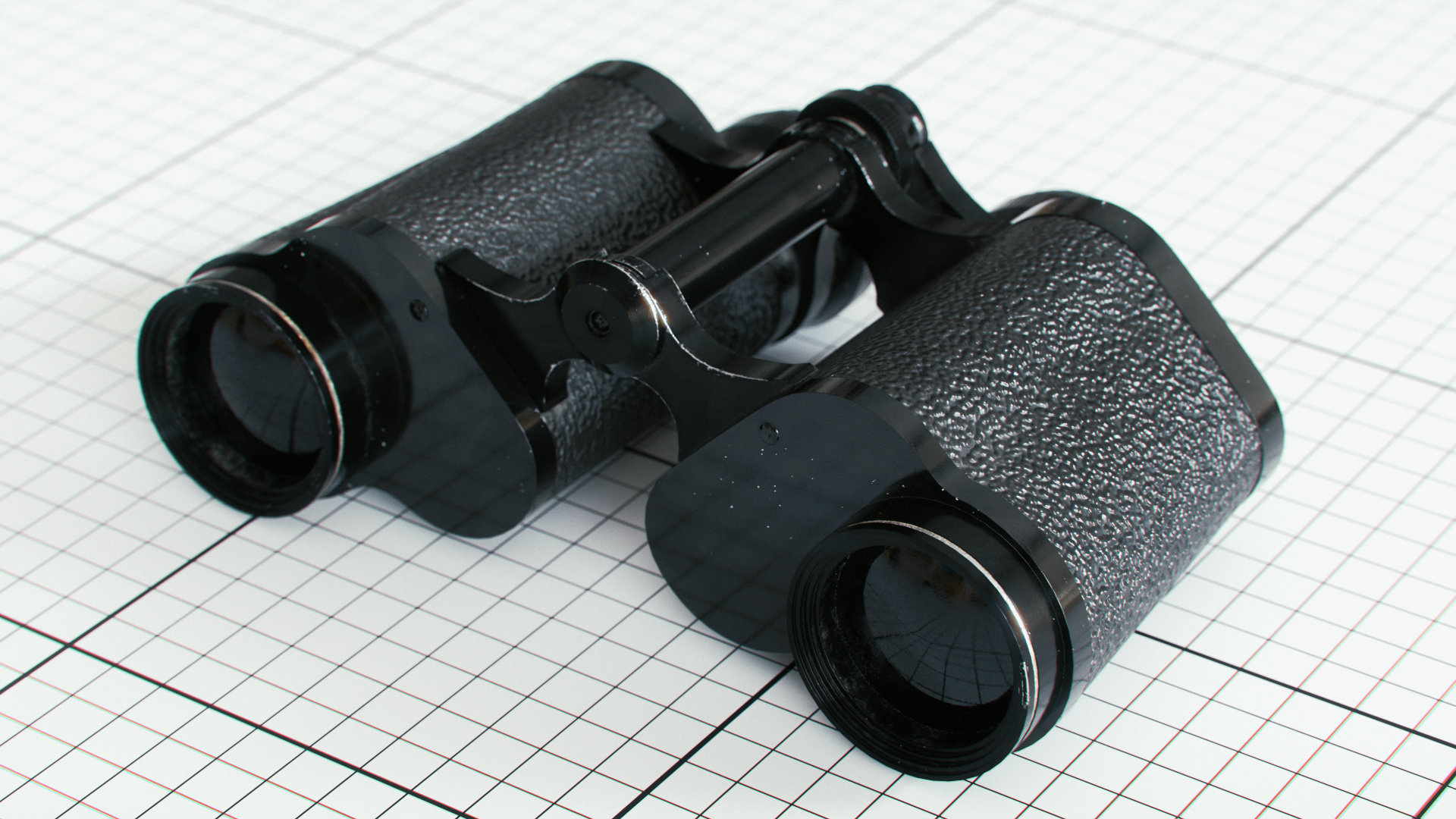
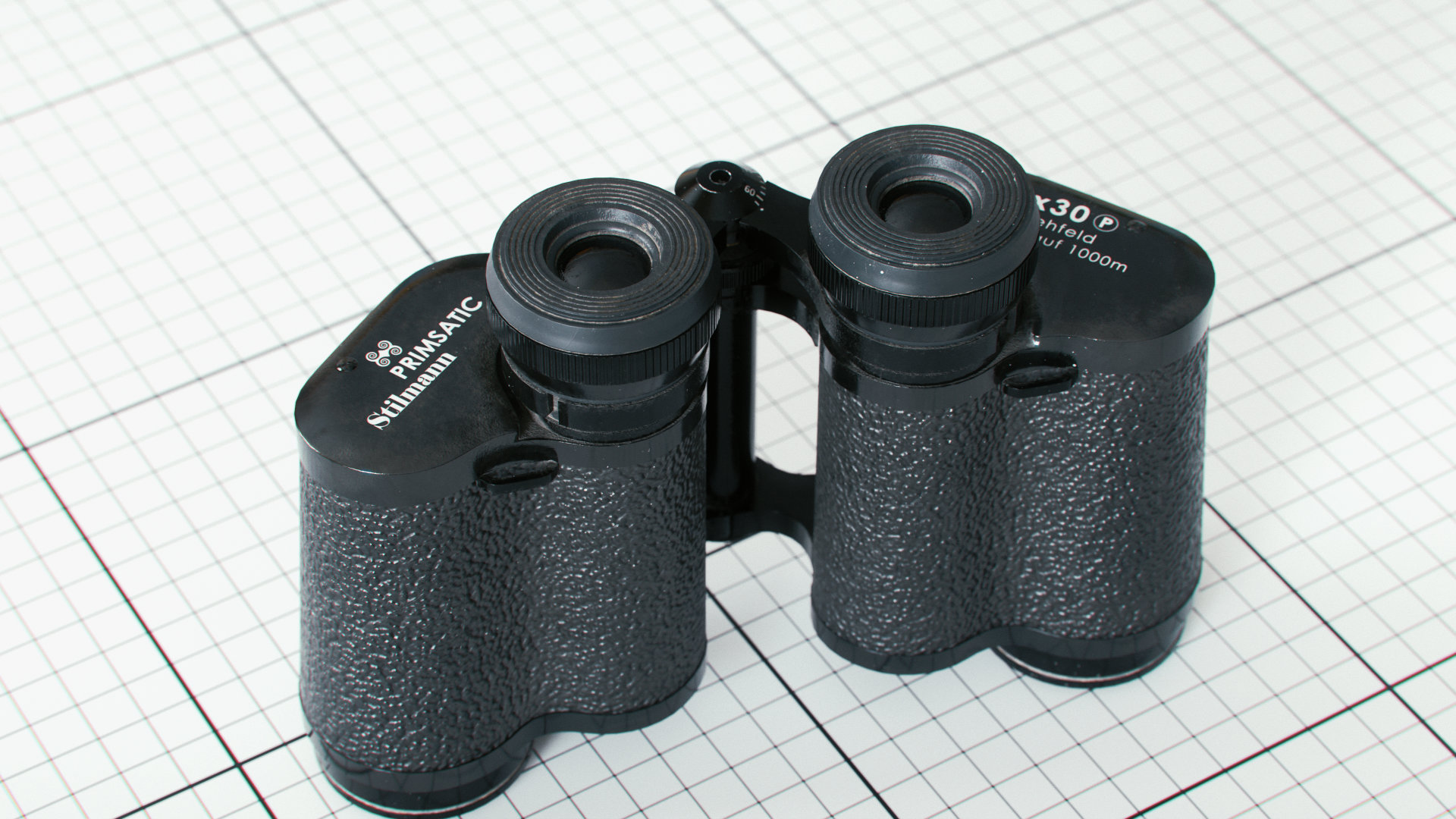
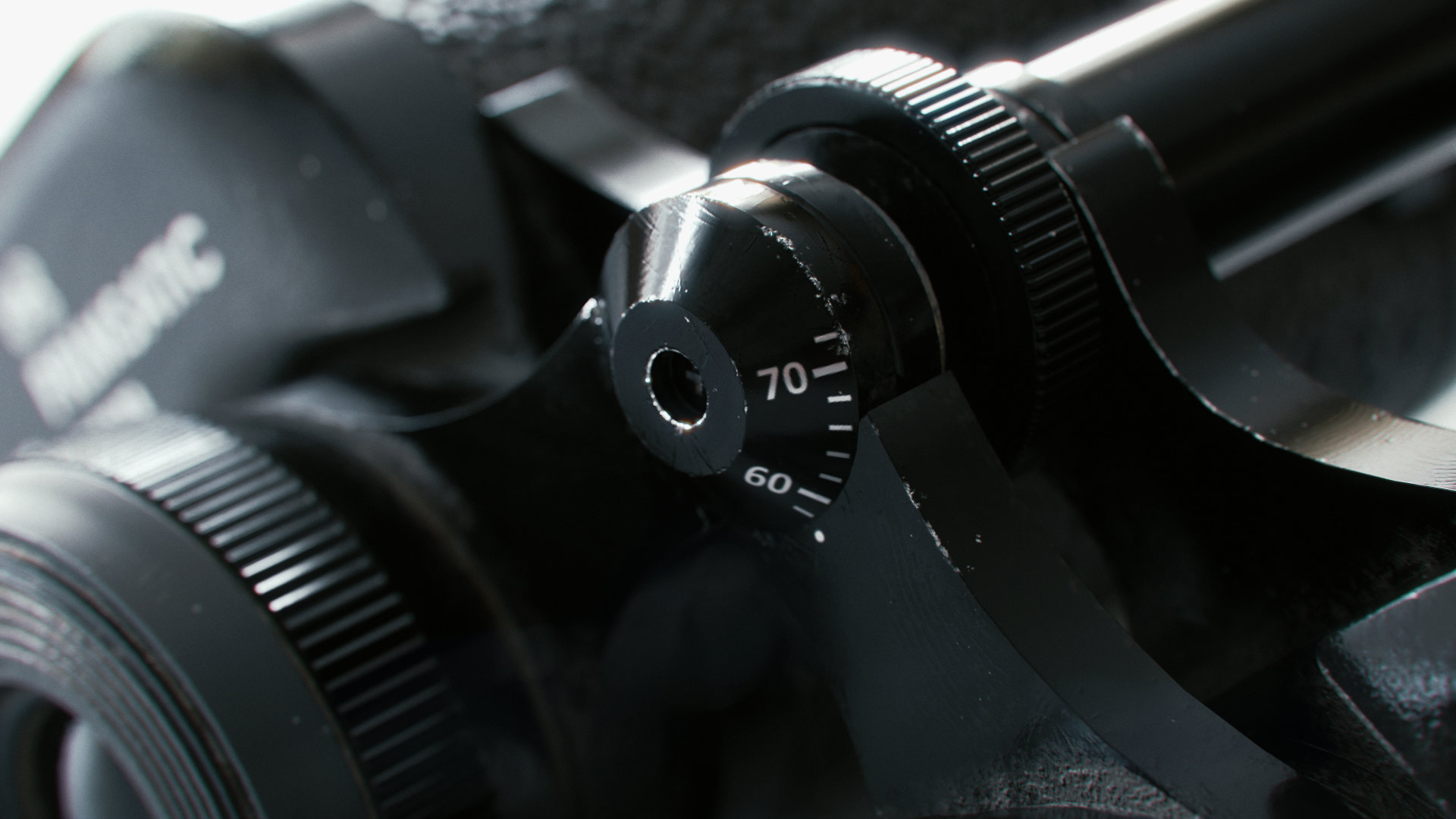
Having the physical binoculars available at the beginning made it possible to study details that are easy to miss in a single photograph: the way the grip material breaks around the edges, the difference between painted and unpainted metal, the construction of the adjustment wheels, and the subtle transitions between hard and soft surfaces.
I did not have precise measurements to work from, so matching the proportions became an exercise in interpreting the reference photographs. Each view had to support the others, especially around the handles, lenses, and central hinge. The result is less about reproducing a technical drawing and more about building a coherent object that holds together from every angle.
Keeping the form clean
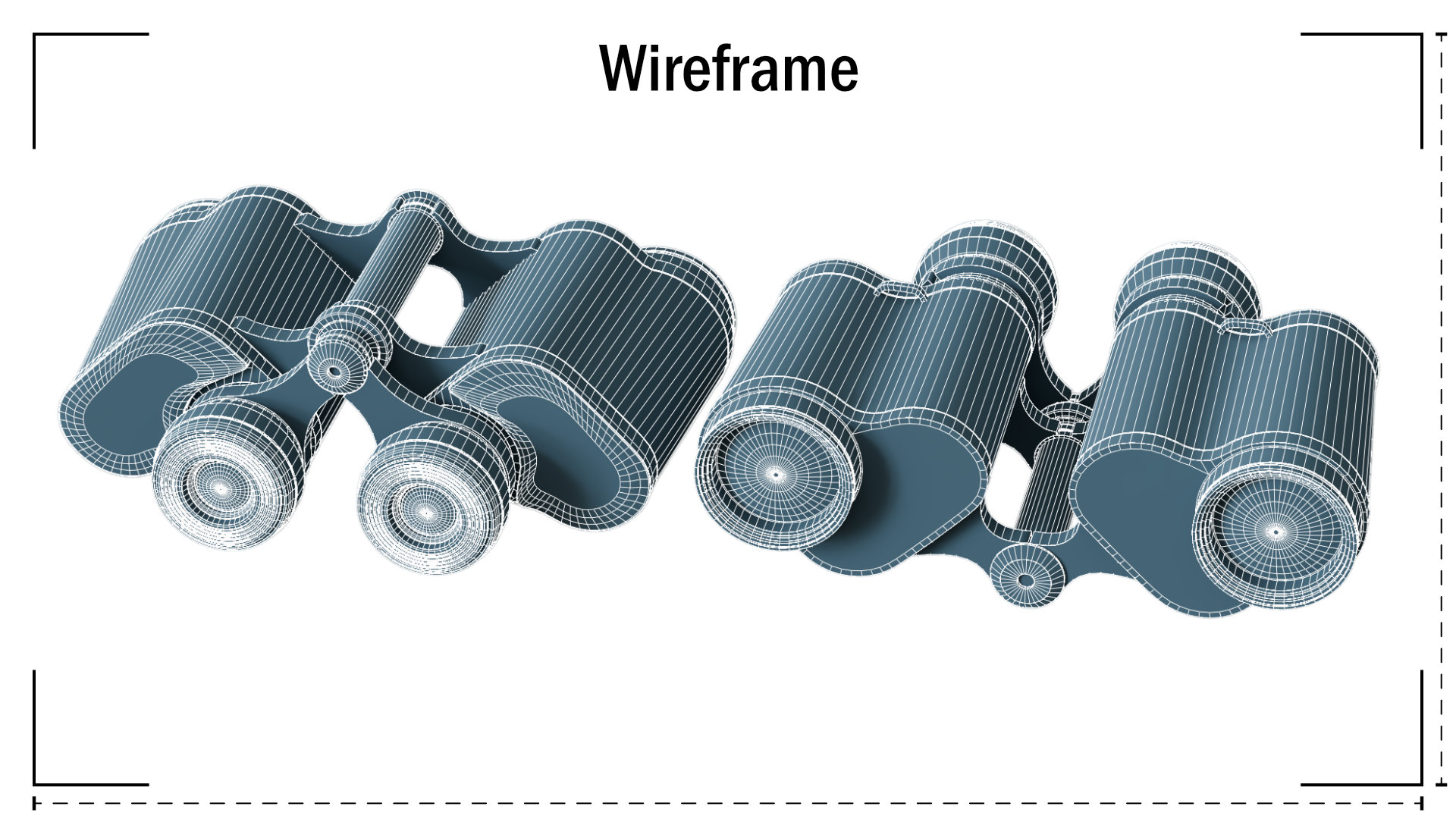
The handles were the most demanding part of the modeling process. Their curved silhouette, changing thickness, and connection to the central body made them difficult to keep clean while maintaining a sensible quad-based topology.
I also wanted to keep the asset detailed without creating a mesh that would need extensive manual optimization afterward. That meant deciding where geometry was necessary, where surface detail could move into textures, and how much resolution each part of the object actually needed.
Preparing the surface for Substance Painter
The texturing stage was the real heart of the project. I had previously developed much of my texturing workflow inside Blender, but this was an opportunity to transfer that understanding into Substance Painter and test how far I could push a dedicated texturing pipeline.
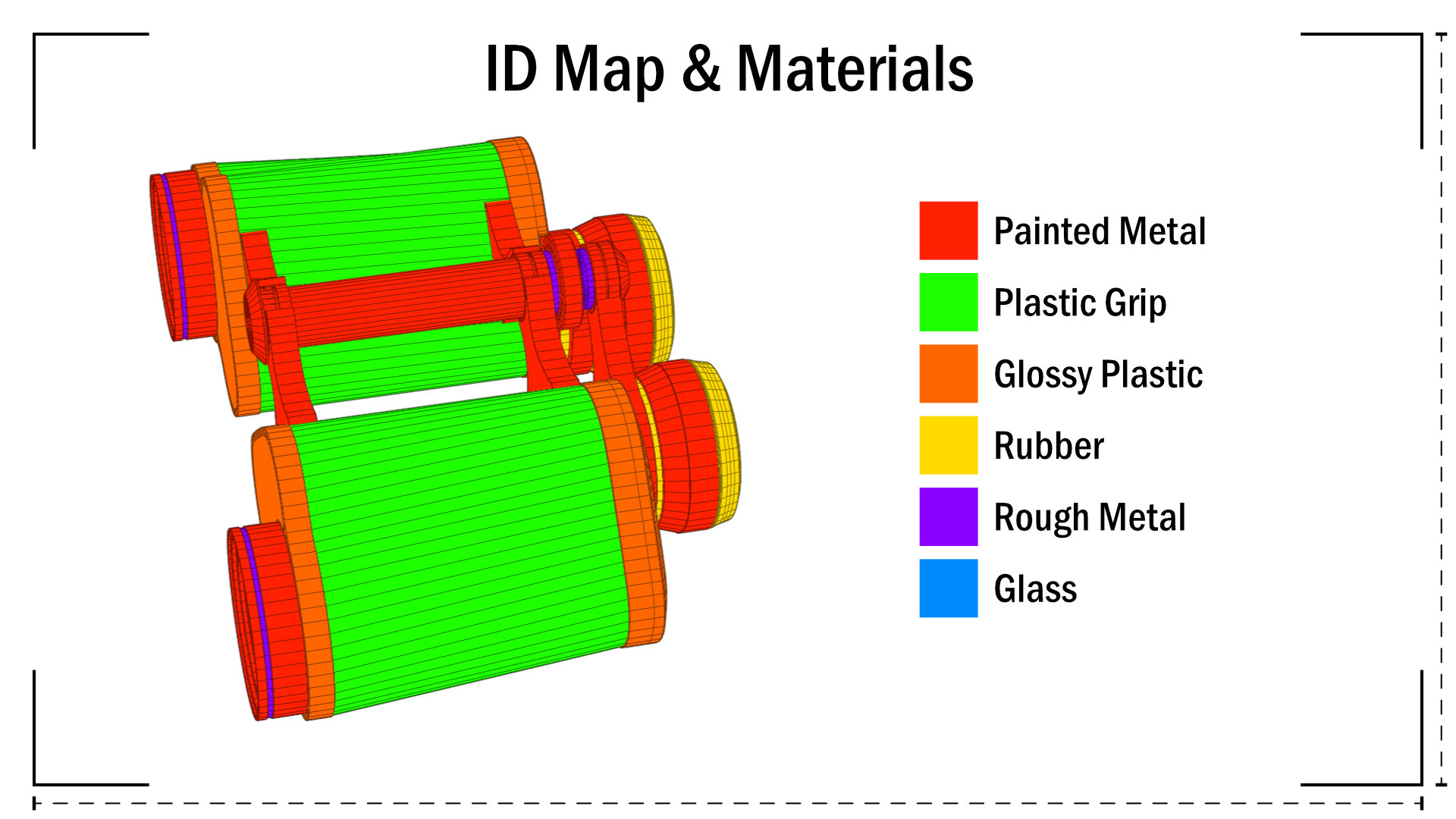
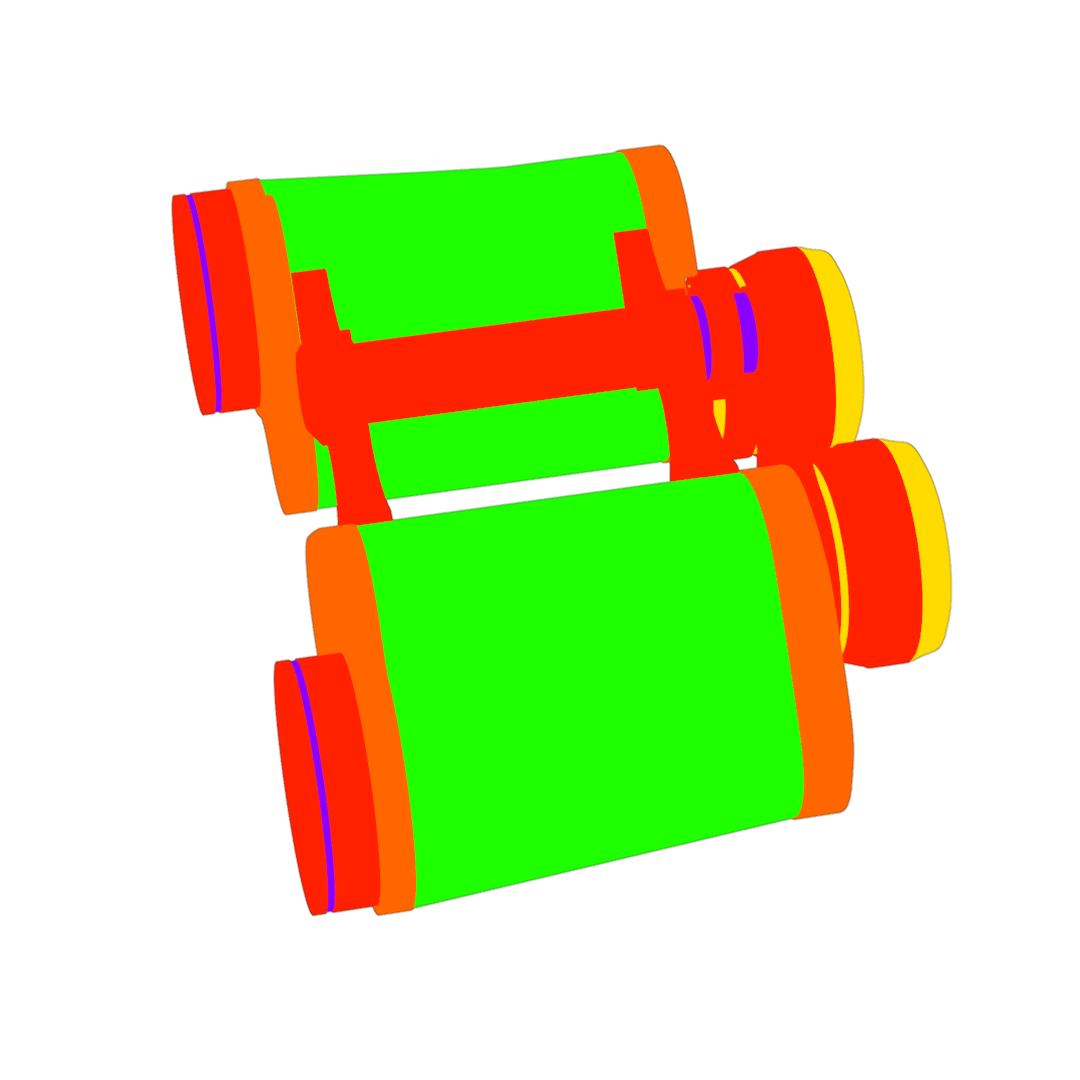
Before exporting the model, I separated the relevant material regions in Blender and created ID information that could be used for masking in Substance Painter. This gave me a controlled starting point for building the grip, plastic, coated metal, bare metal, and glass as distinct surfaces.
Making the surface believable
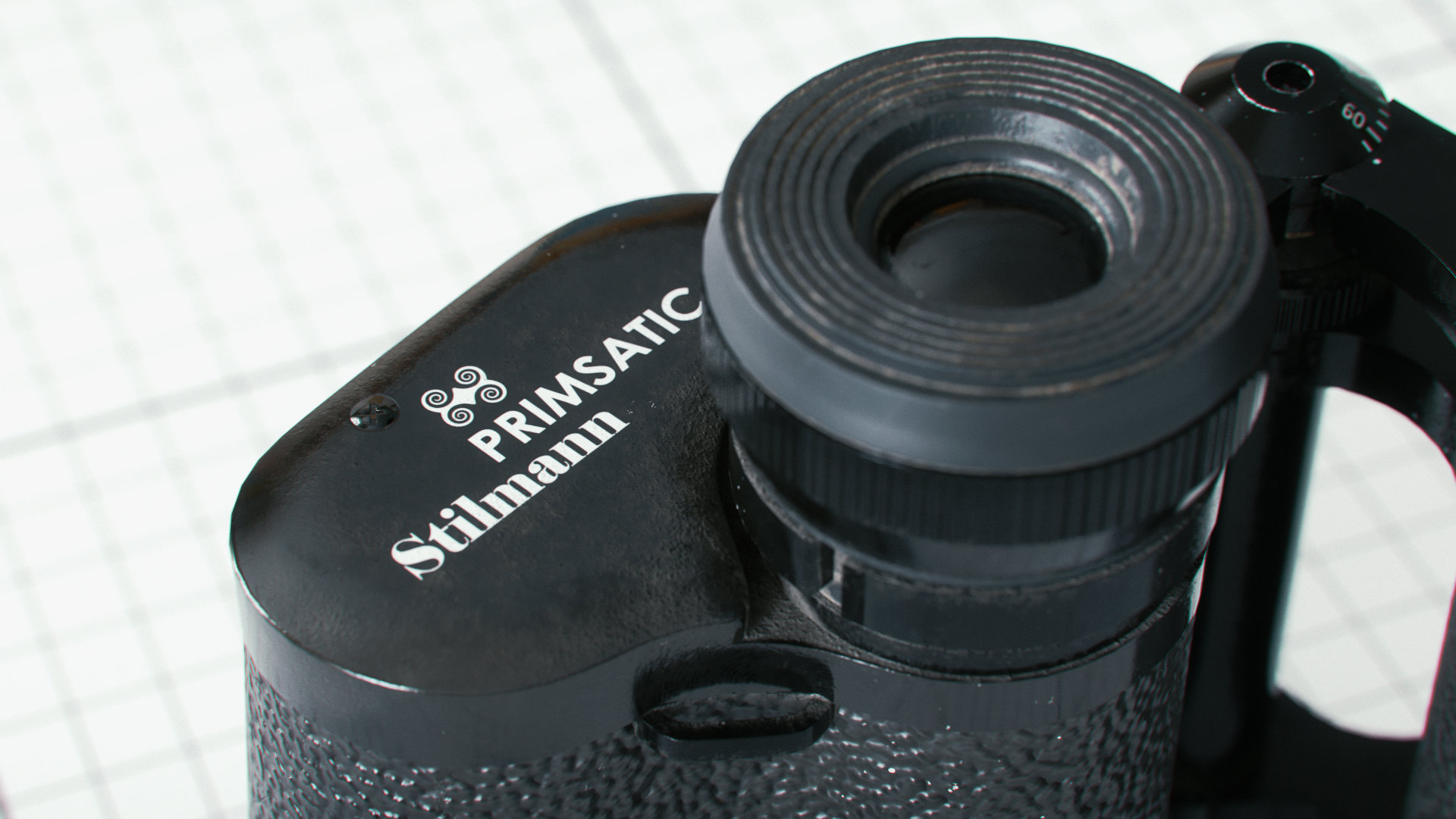
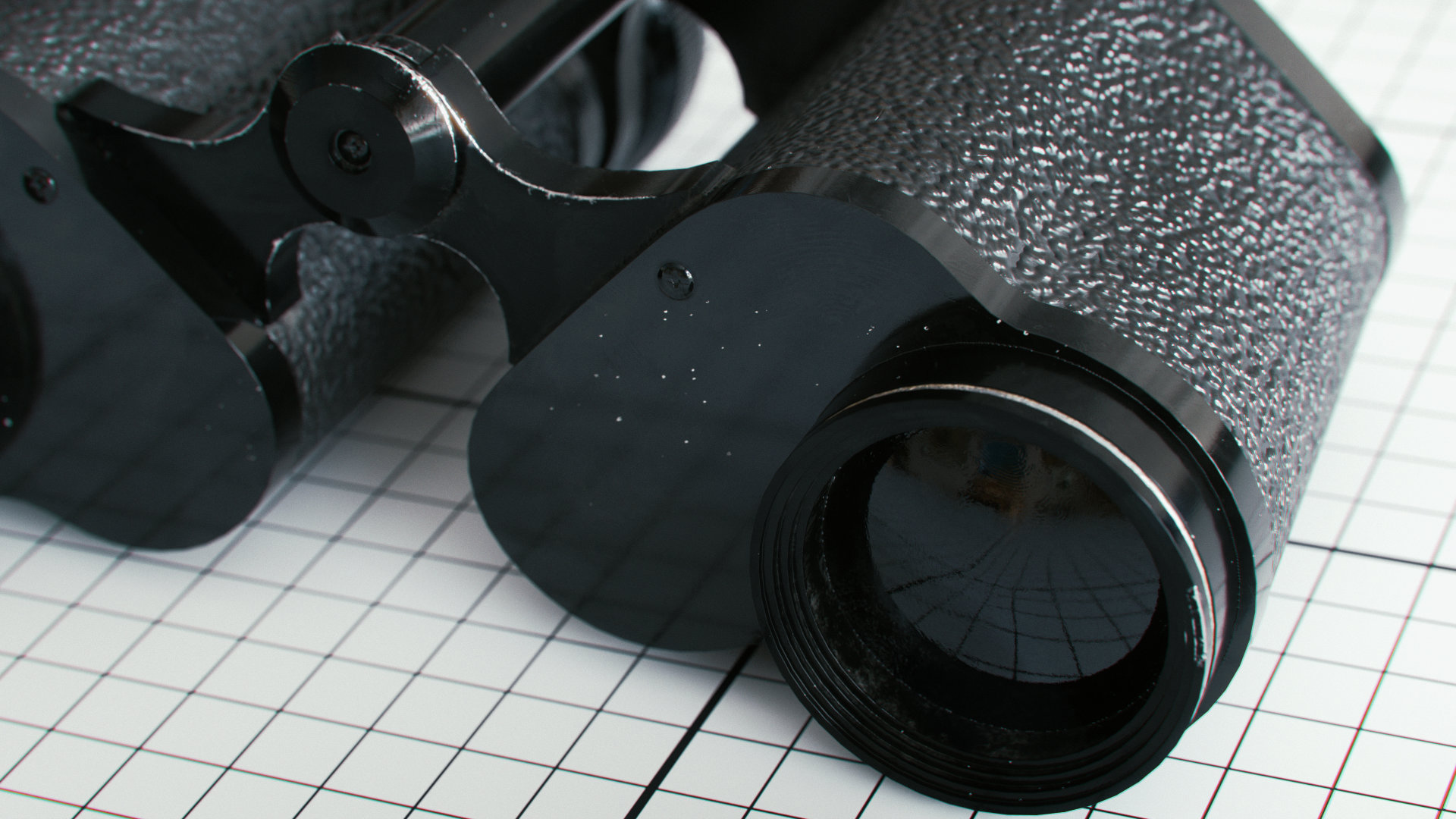
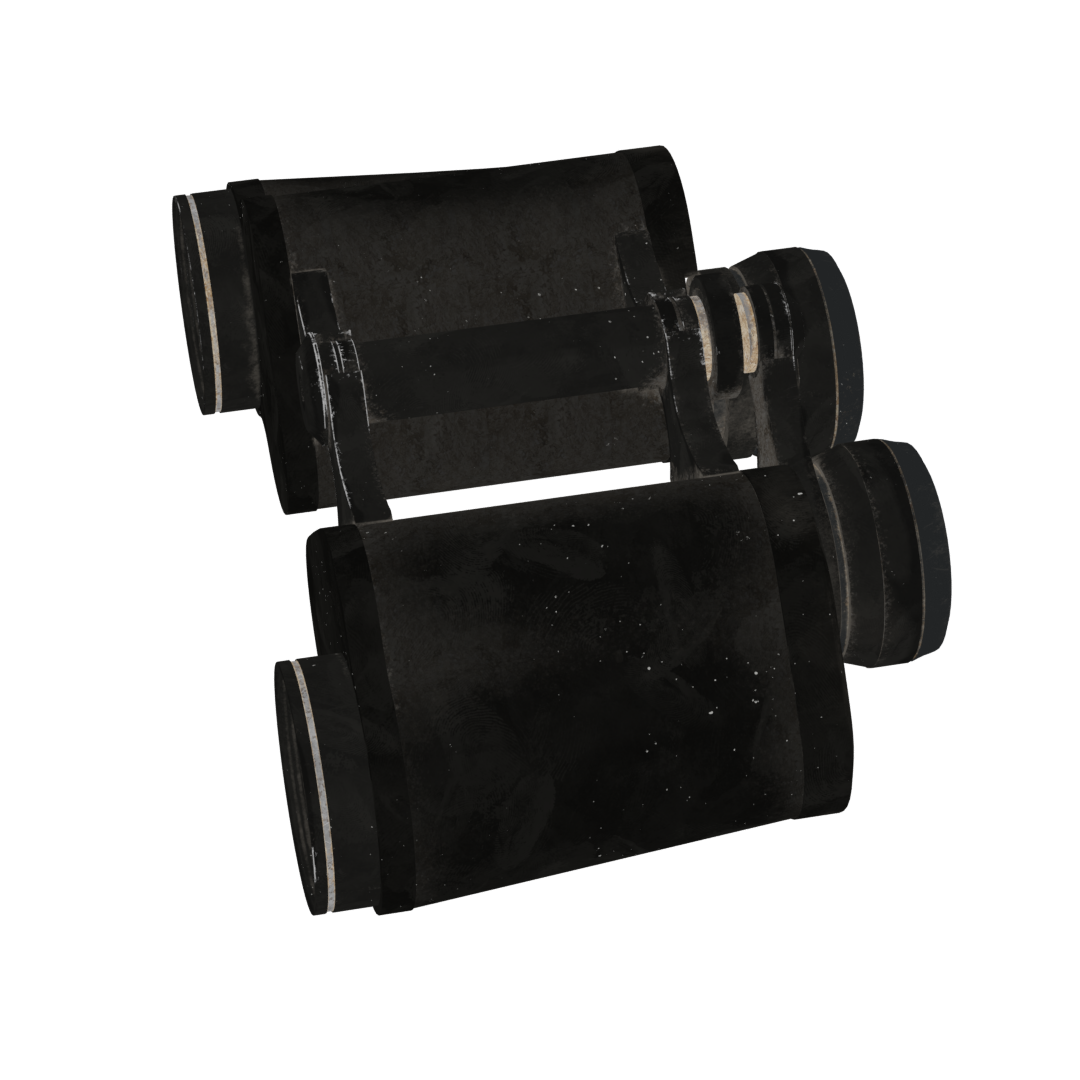
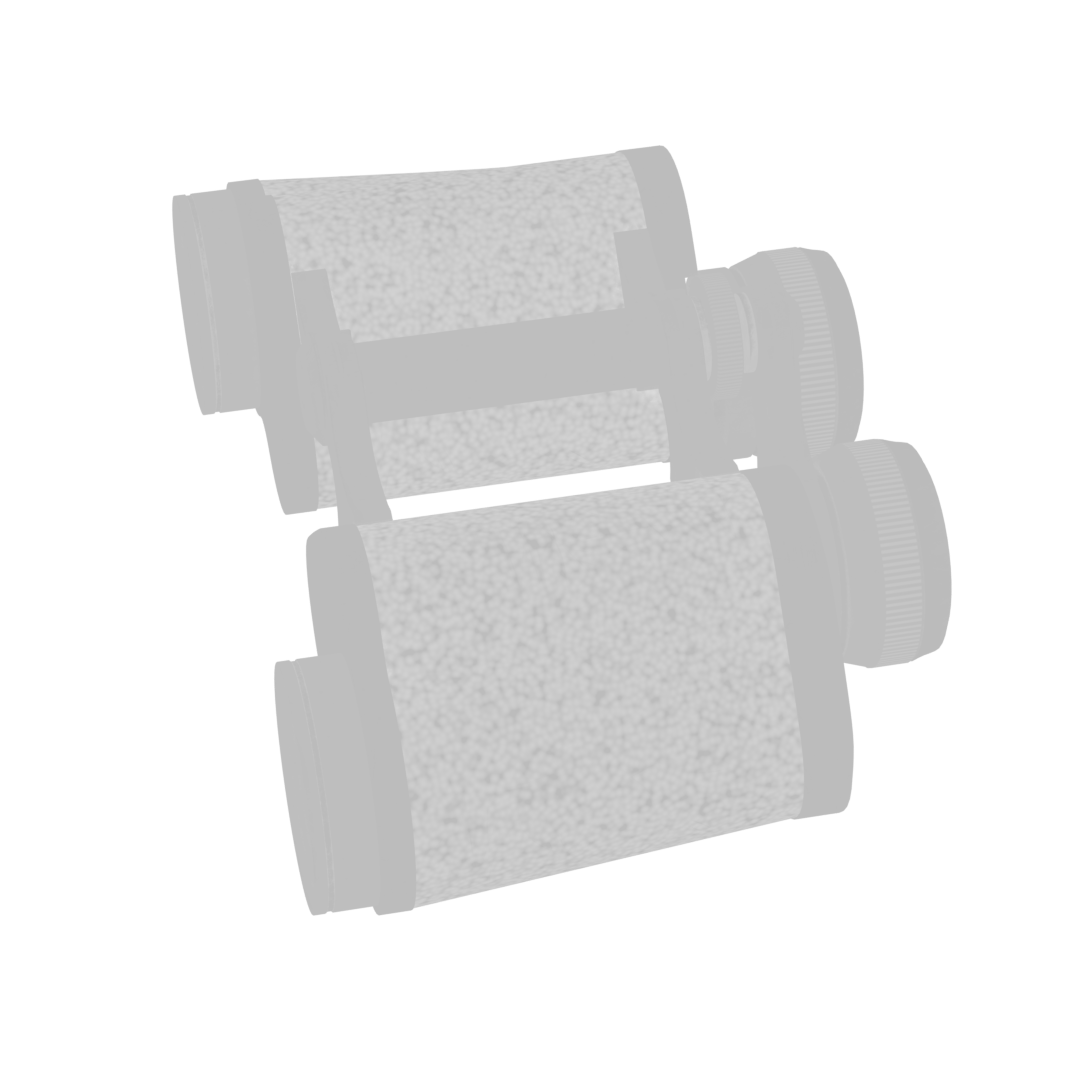
The original binoculars were old and used, but they were not heavily damaged or rusted. The challenge was to suggest a history of handling without making the object look artificially dirty. I built the surface through many small layers of variation: dust, grime, fingerprints, fine scratches, and small areas where the paint had chipped away.
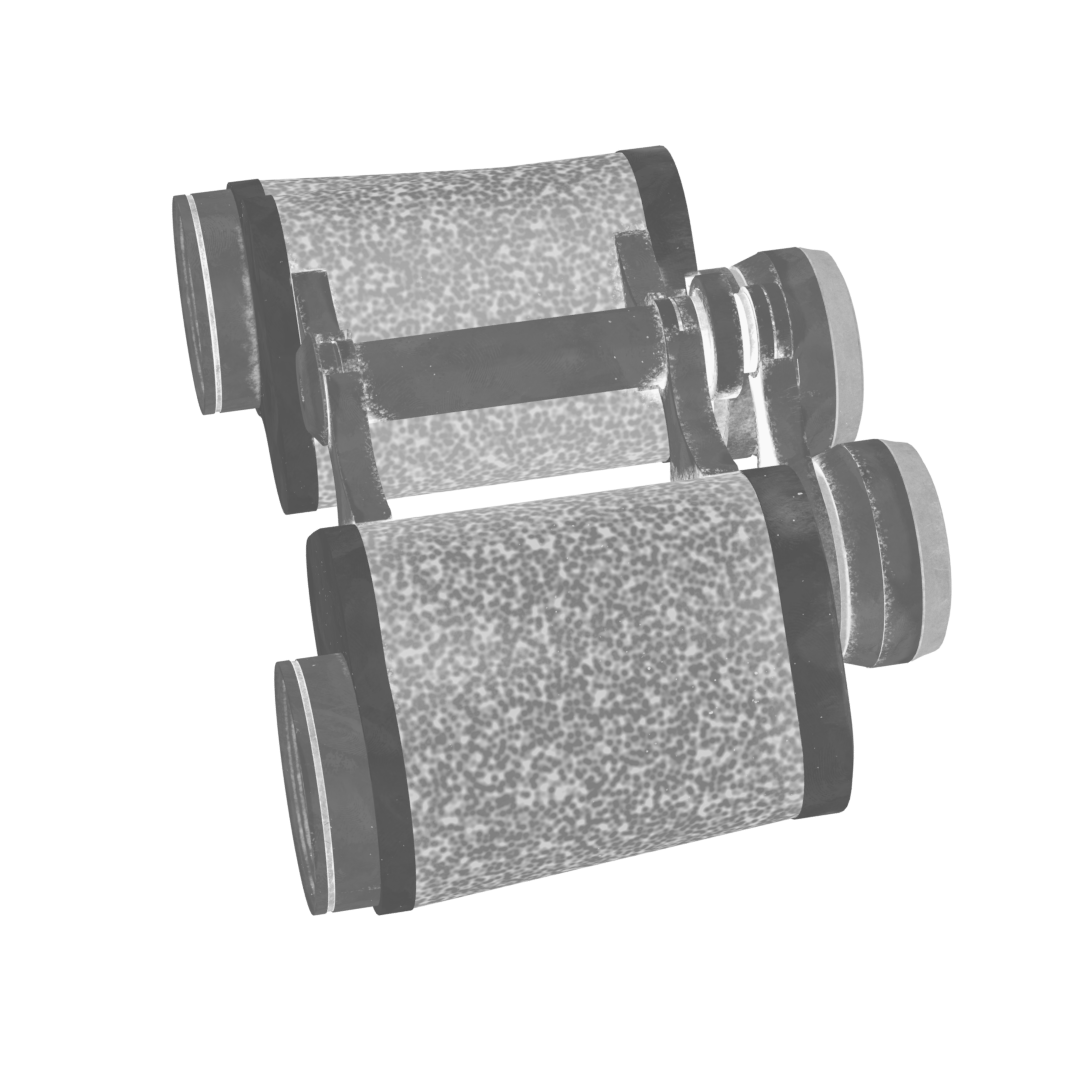
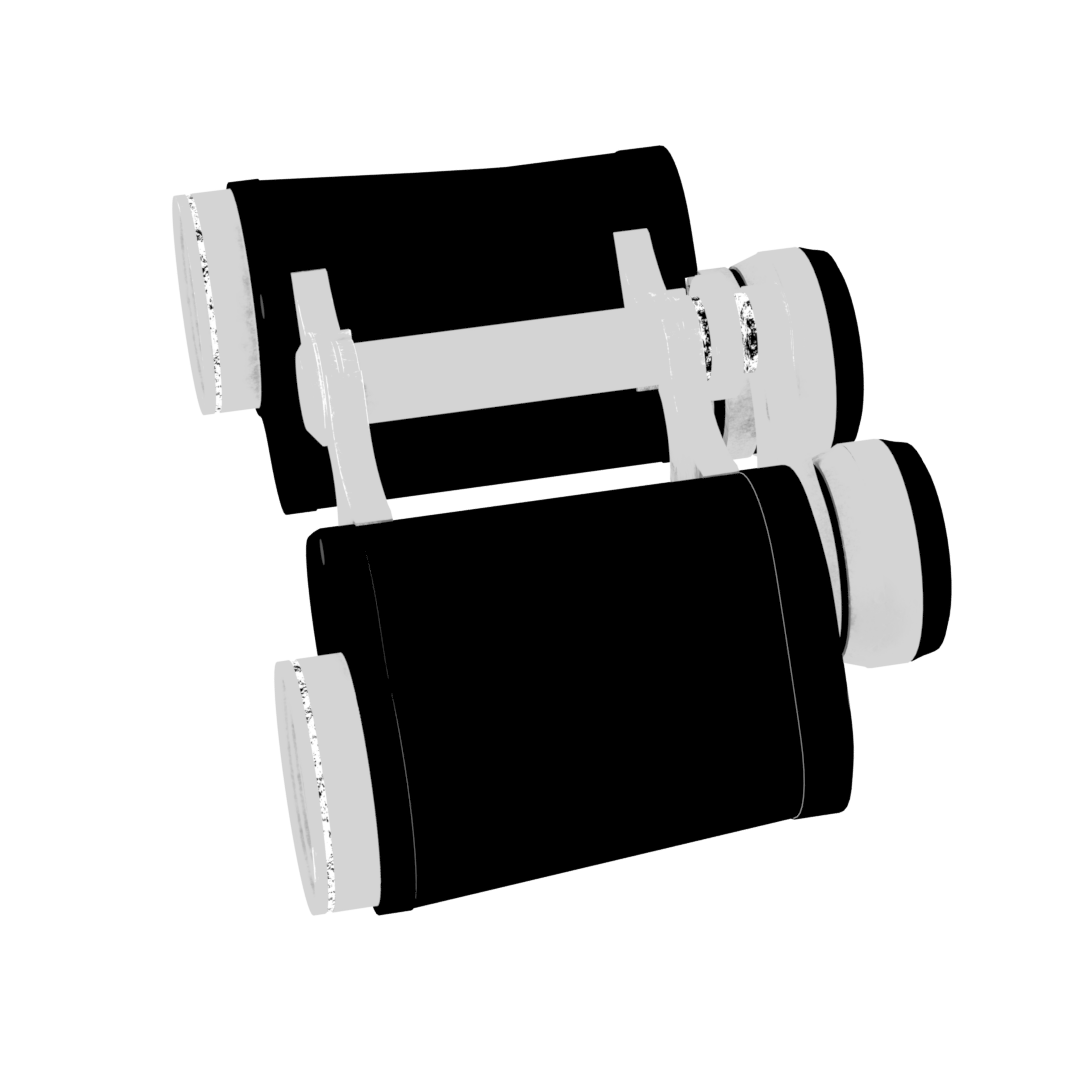
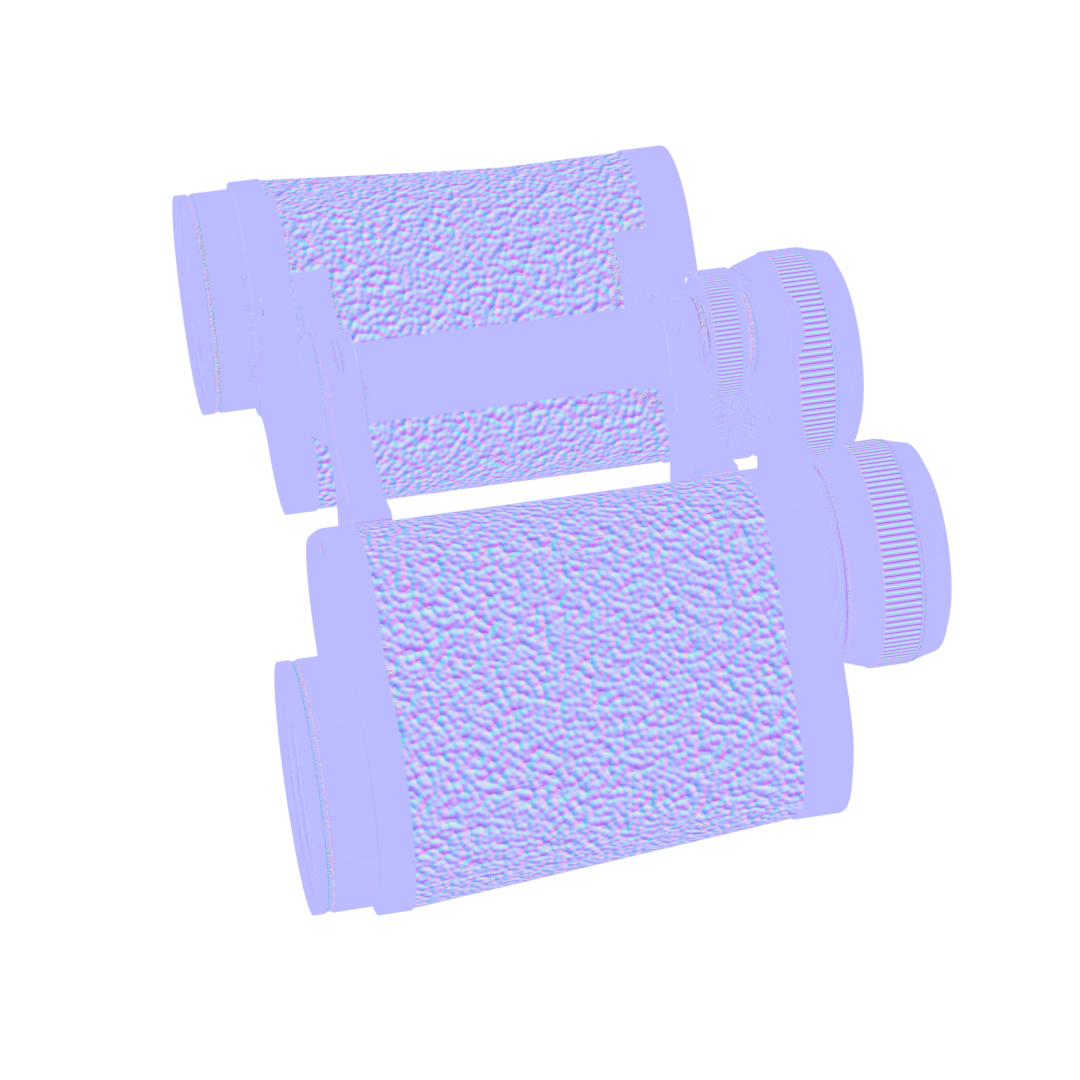
The grip needed a different response from the painted body, the exposed metal needed to catch light differently from the coated parts, and the glass needed to remain readable without becoming perfectly clean or mirror-like. I also used Substance Painter’s normal-painting tools to create details such as bolts and ridges that would have added unnecessary geometry if modeled directly.
The final result is intended to feel handled and tactile, but still cared for: a believable object with a material history rather than a collection of generic wear effects.
The texture system
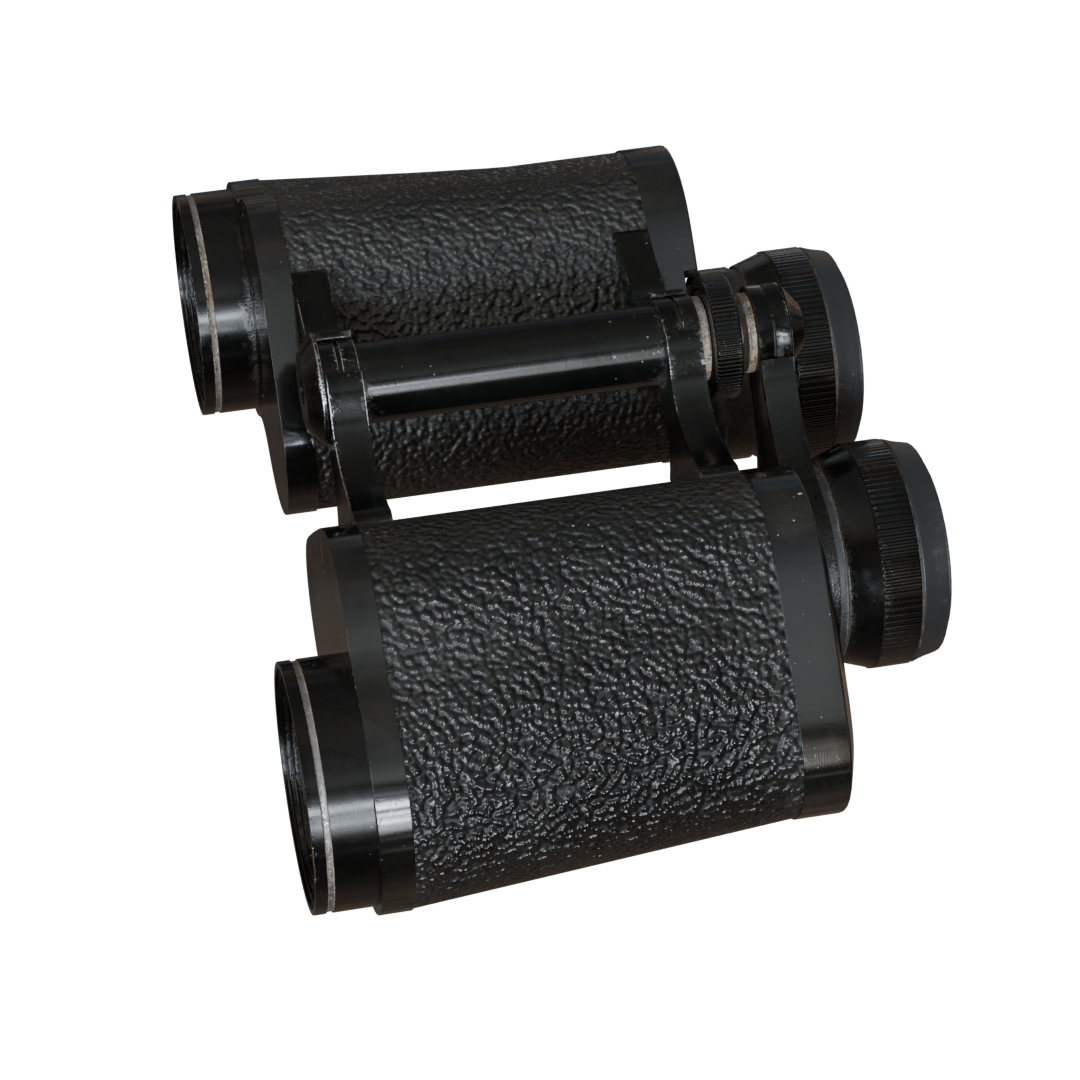
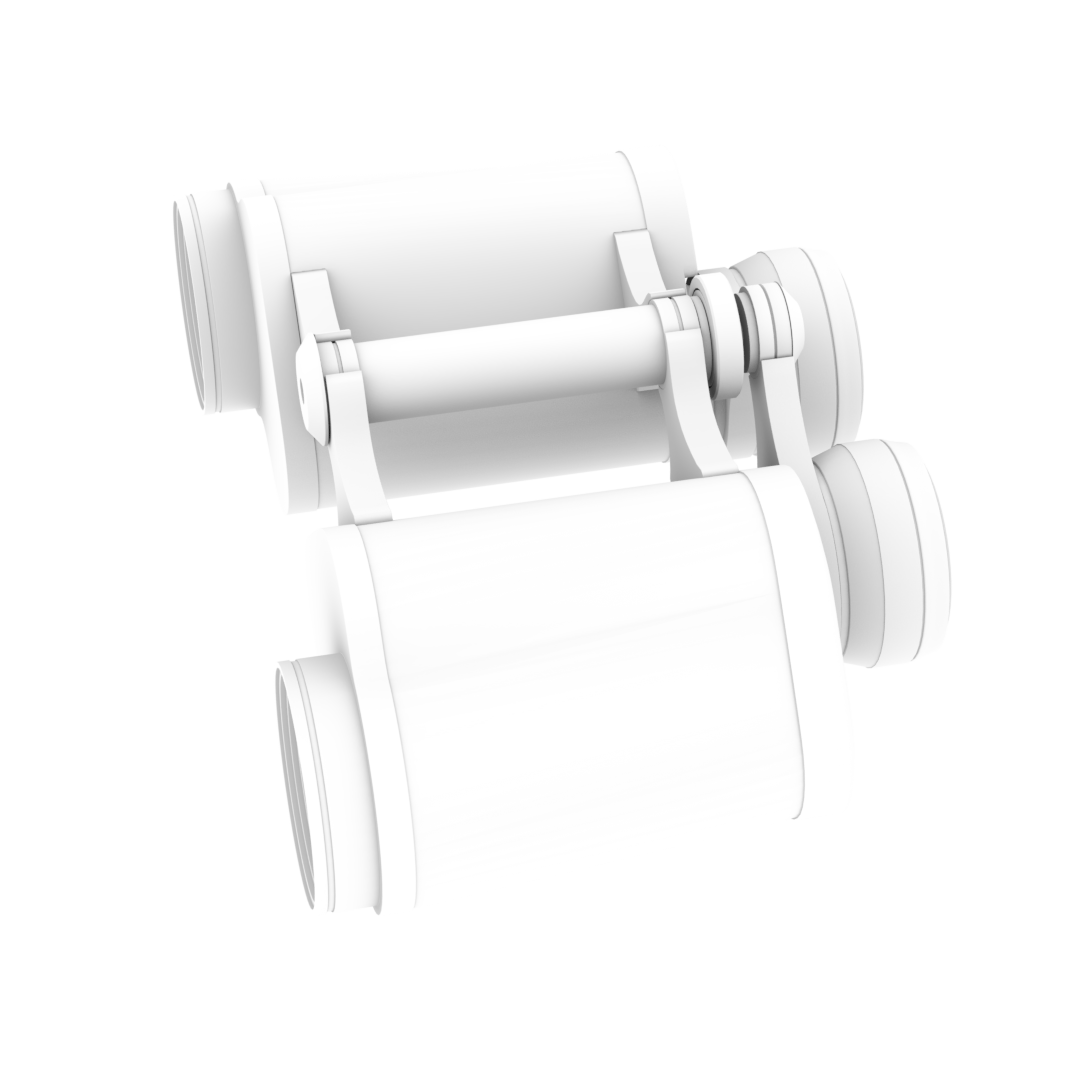
Choose a slice to inspect the complete pass. Every map uses the same camera and transparent framing.
Designed to be looked at closely
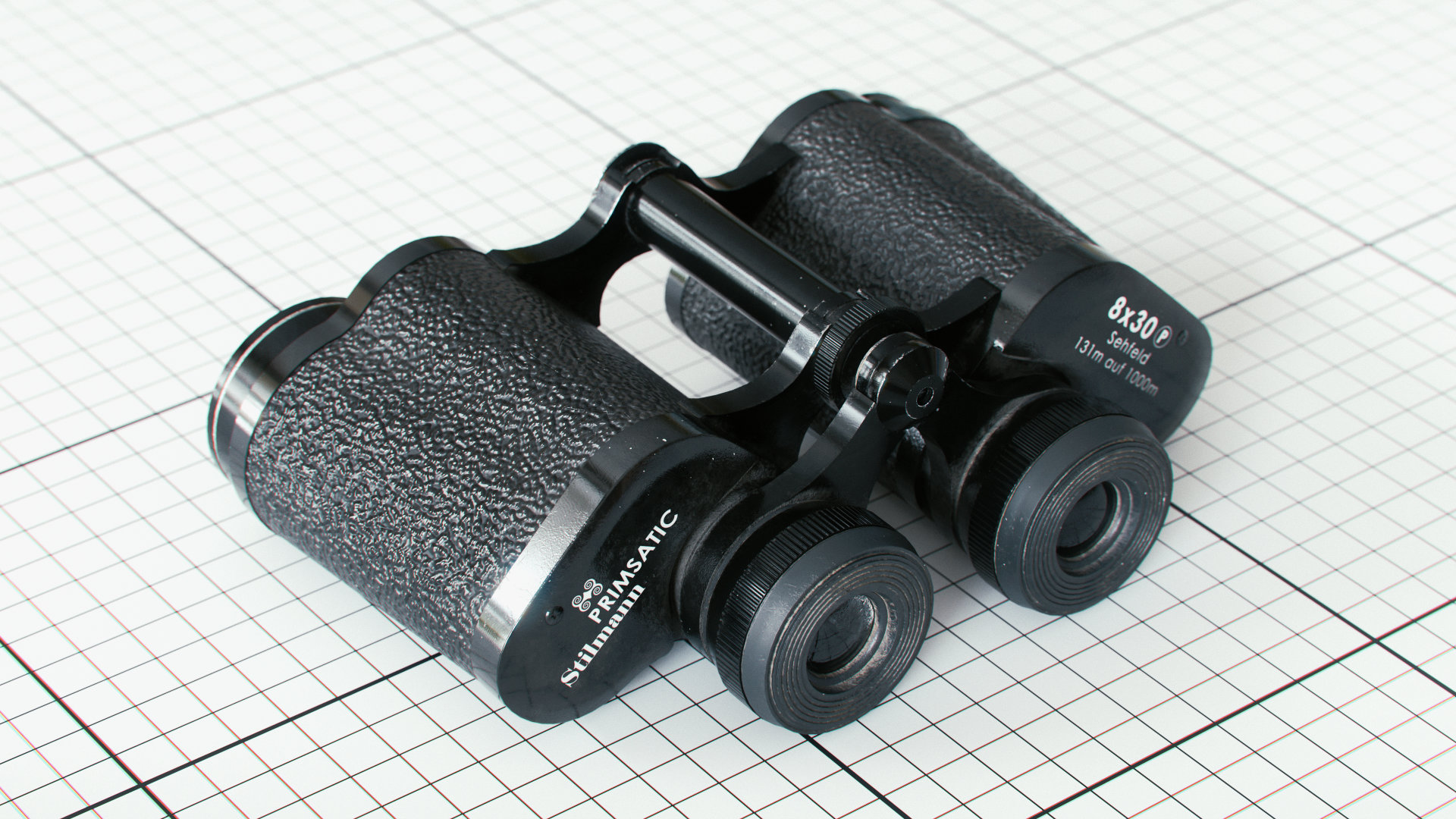
The final presentation moves between a controlled studio setup and natural light. The grid makes silhouette, edge wear, and construction easy to read; the moss setting tests whether the same materials still feel convincing in context.
What I took away
This study changed the way I think about photorealistic texturing. The most convincing details are rarely the loudest ones. They come from observing how materials differ, deciding where those differences should appear, and layering imperfections until the surface begins to suggest touch, age, and use.
Moving the texturing workflow into Substance Painter also made the relationship between modeling, material separation, and surfacing much clearer. The project gave me a practical way to test what I already knew, identify where that knowledge did not transfer directly, and build a more deliberate approach for future assets.
