ANIMATED SHORT / PRODUCTION CASE STUDY
Lichtschwärmer
A two-minute science-fiction short developed around a floating city, a restless protagonist, and a world suspended between warm industrial decay and artificial light.
01 / THE PROJECT
Building a short film and the world around it
Lichtschwärmer follows a protagonist through a city raised high on pillars: from a cramped apartment and working harbour to improvised transit, tattoo culture, and neon club lights.
The film was planned as 28 shots across four sequences. I led the project and handled its primary production, developing the environments, 3D work, animation, lighting, rendering, compositing, edit, and sound.
Time constraints brought production to a close earlier than intended. This page presents the completed visual work alongside the last timeline iteration, preserving the project as an honest record of its ambition and development.
- FORMAT
- Animated short
- RUNTIME
- 1 min 50 sec cut
- PIPELINE
- Blender / Cycles / Resolve
- STATUS
- Concluded in production
02 / THE CUT
Production iteration / July 28, 2026
The film as we left it
This timeline combines finished renders, look-development shots, blockouts, and unfinished passages. It is shown as a production iteration rather than a completed film.
03 / WORLD
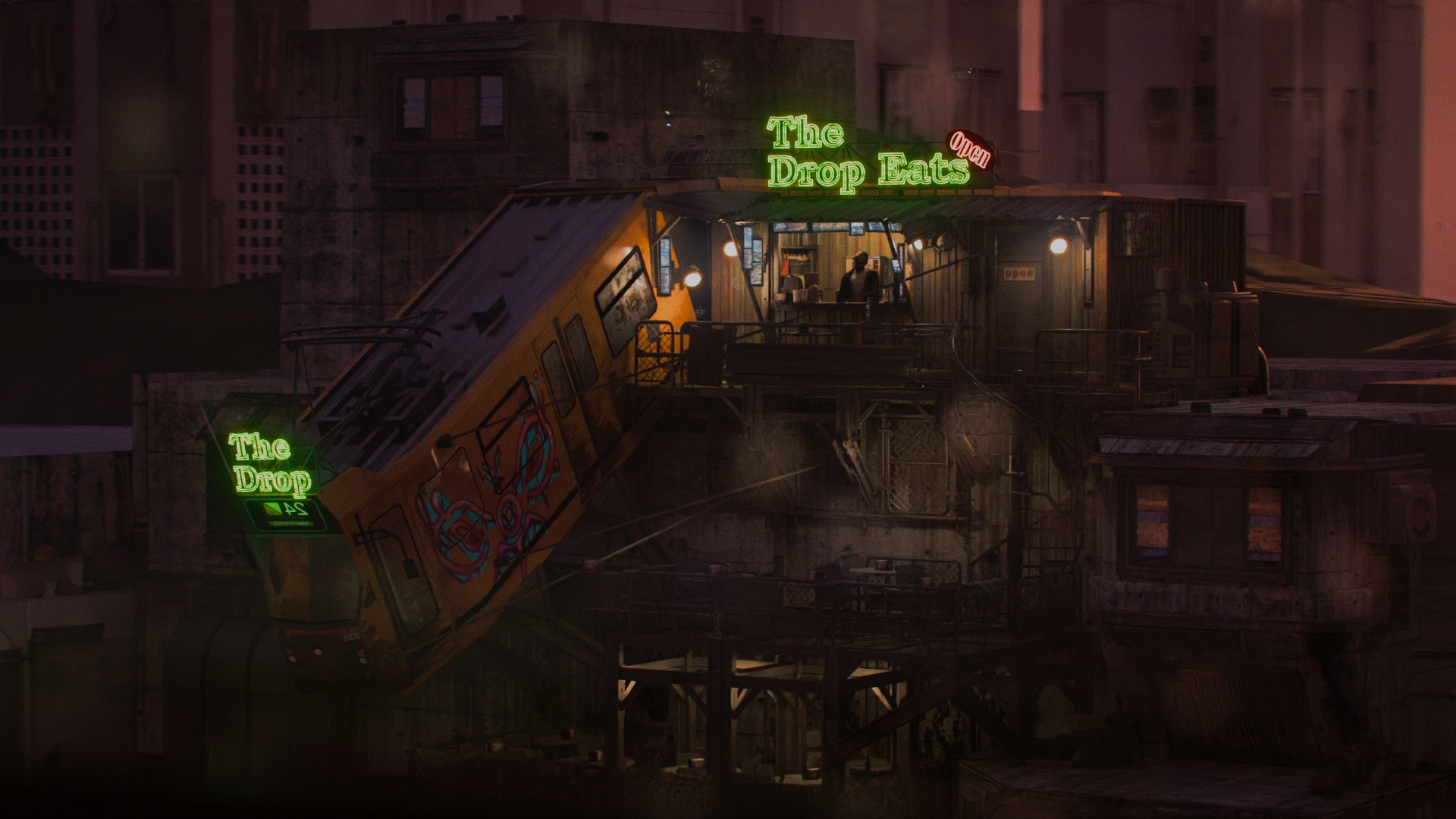
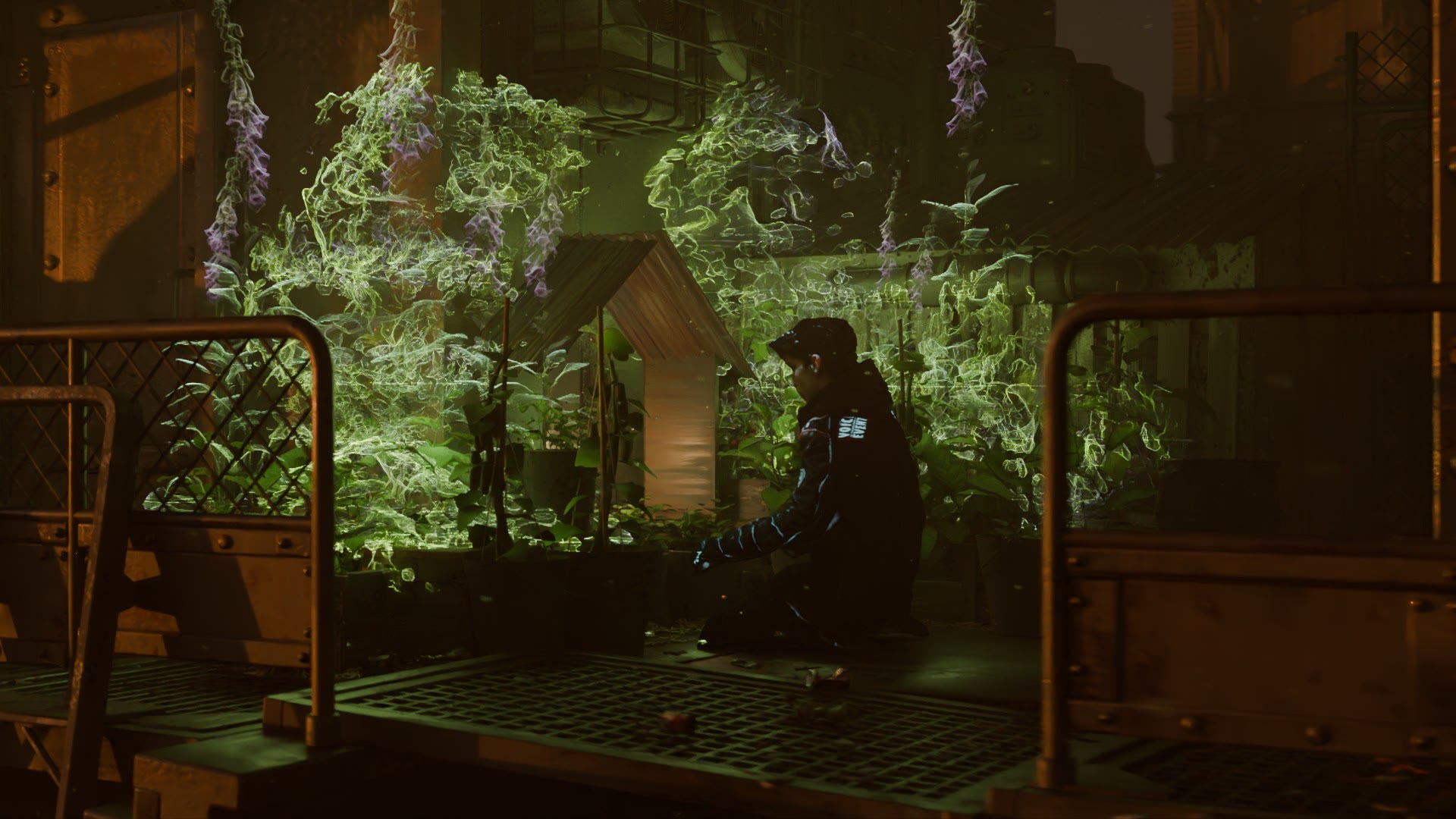
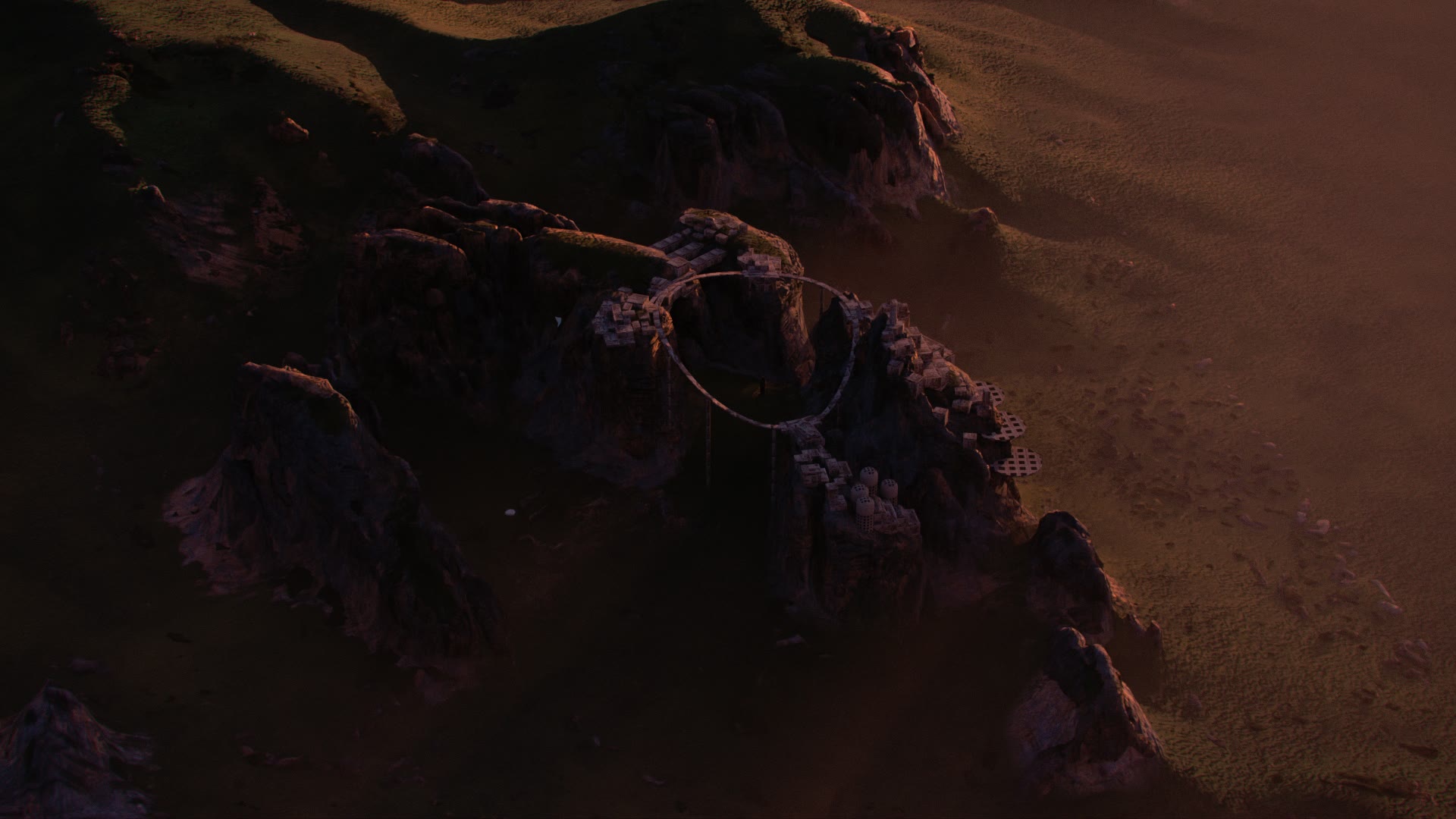
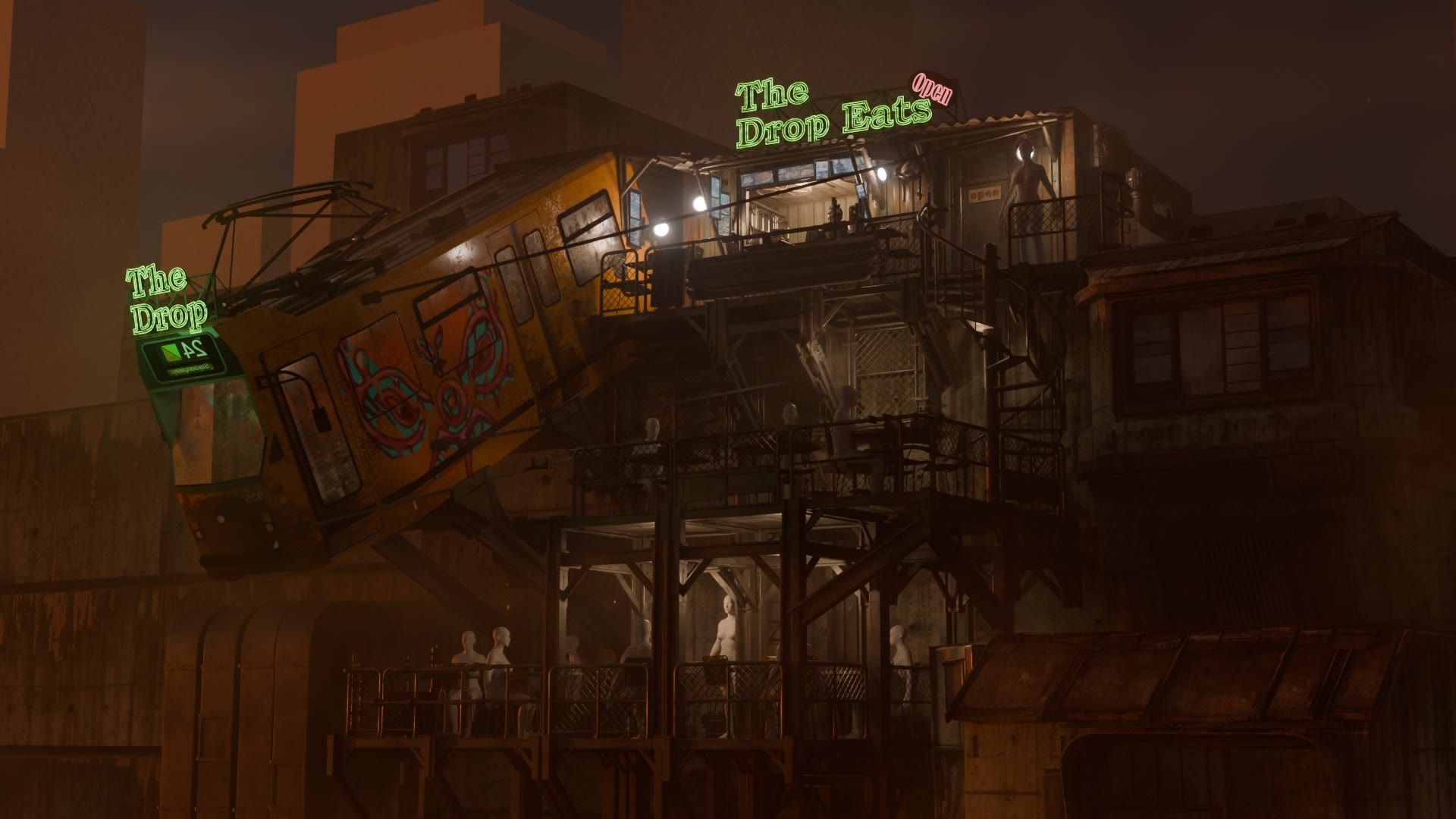
A city assembled around what survived
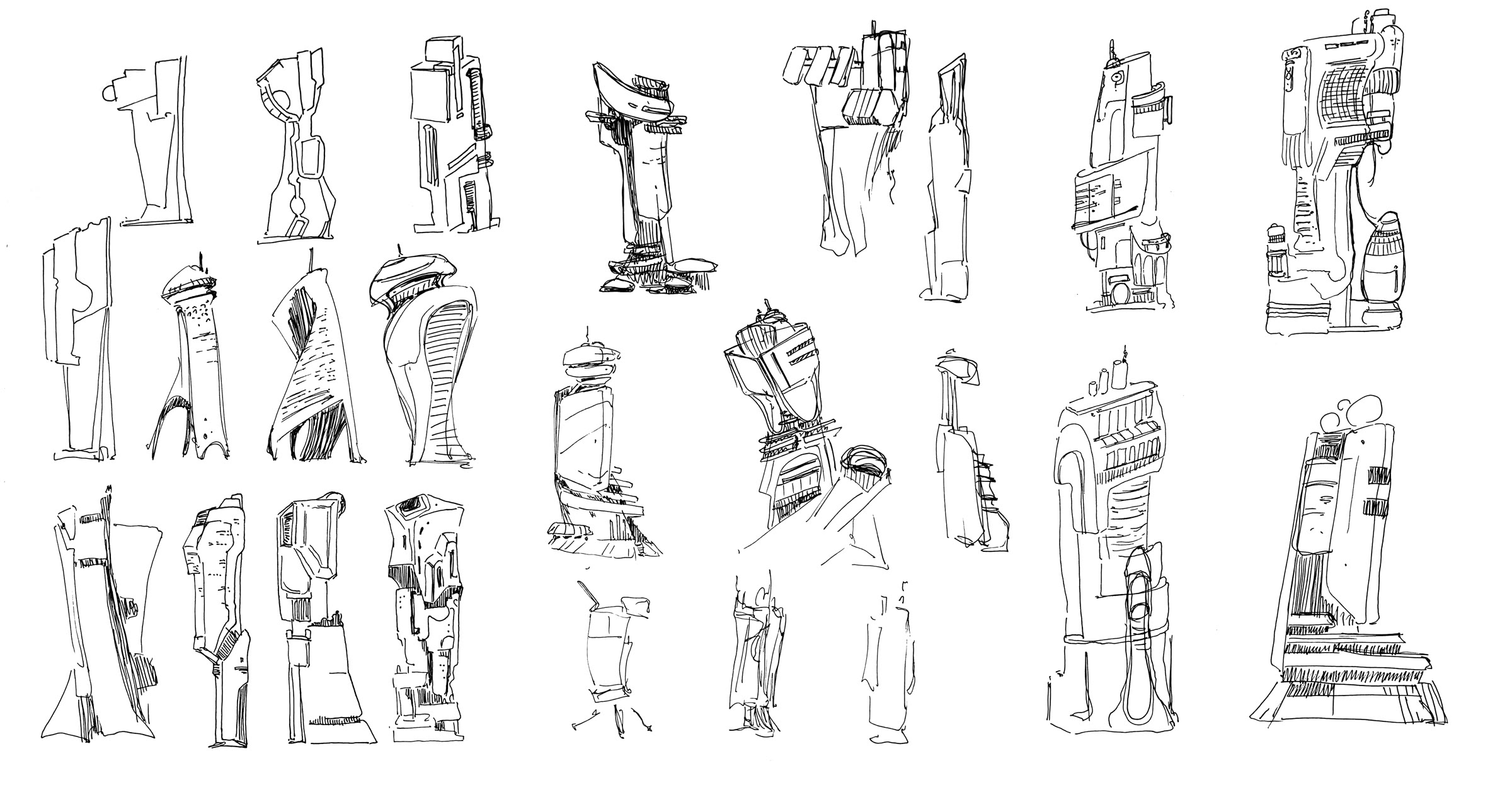
The environments were designed as lived-in structures rather than clean science-fiction sets. Old transport, stacked architecture, exposed infrastructure, and pockets of plant life turn the city into a layered record of adaptation.
04 / VISUAL DEVELOPMENT
Drawing the rules before building the frames
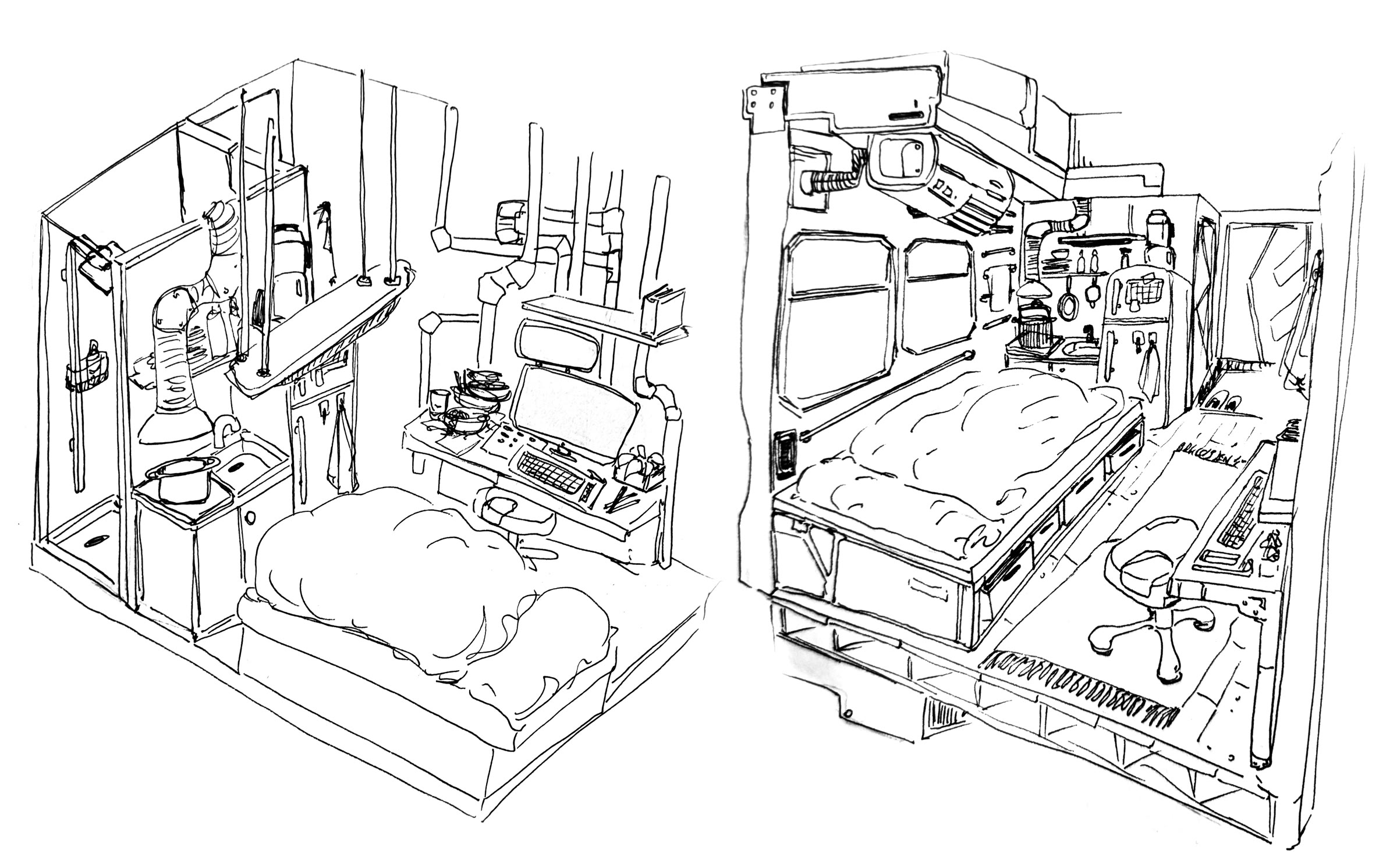
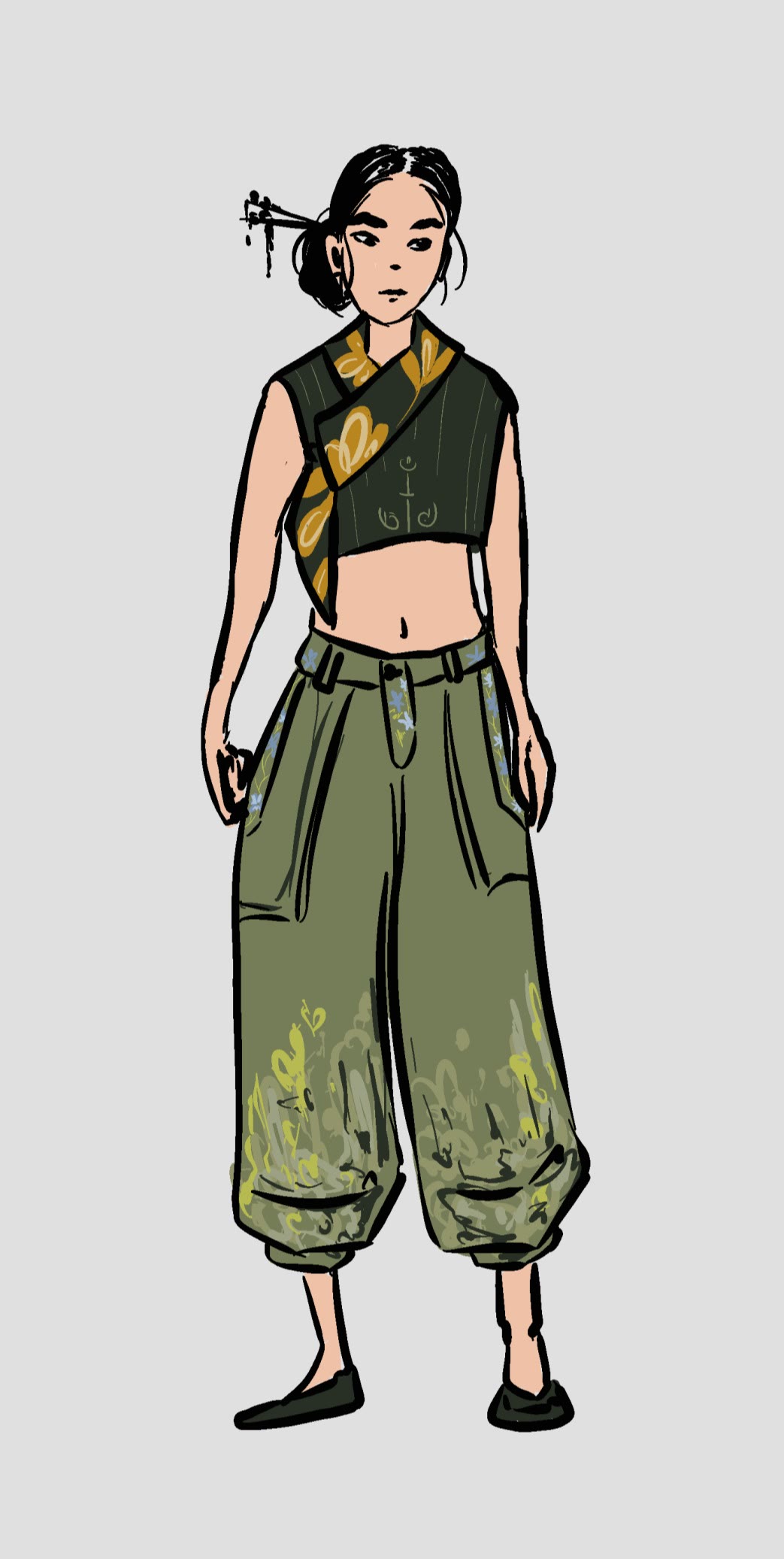
Astrid Prittschmann's concept work established the character language and gave the environments a practical foundation. The drawings became working references for proportions, silhouettes, set density, and the contrast between domestic and monumental spaces.
05 / SHOT DEVELOPMENT
Finding the character in the light
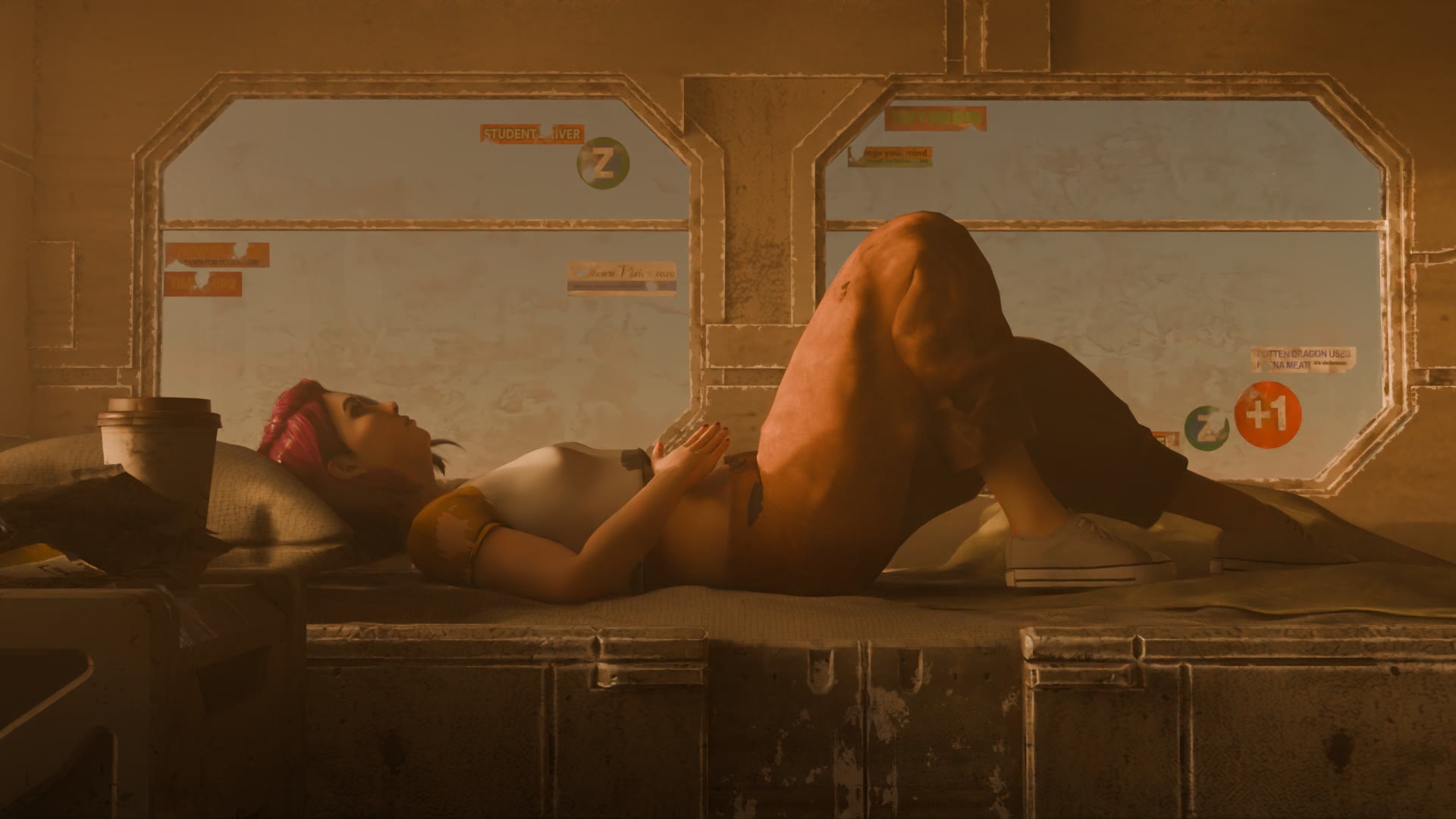
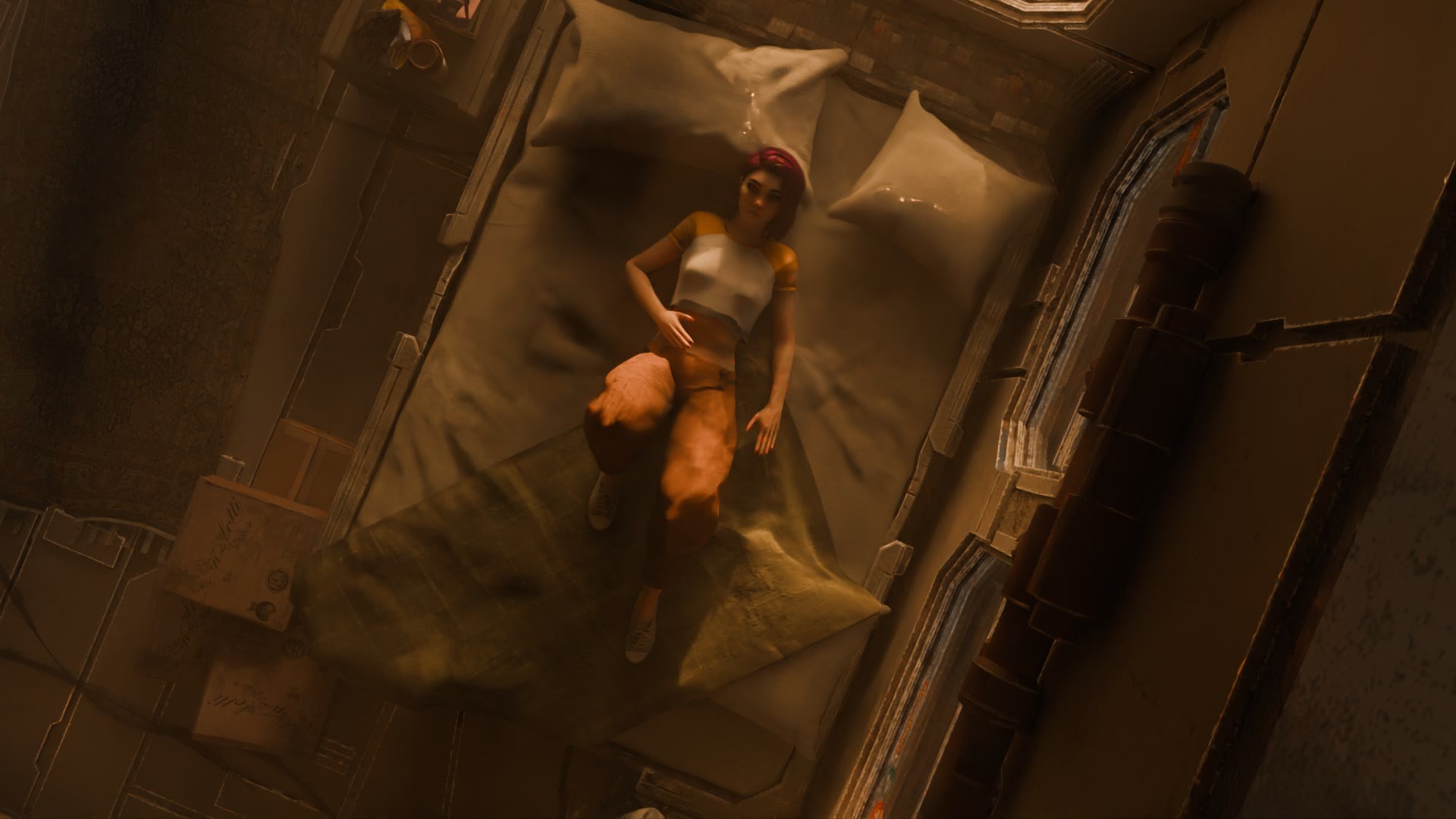
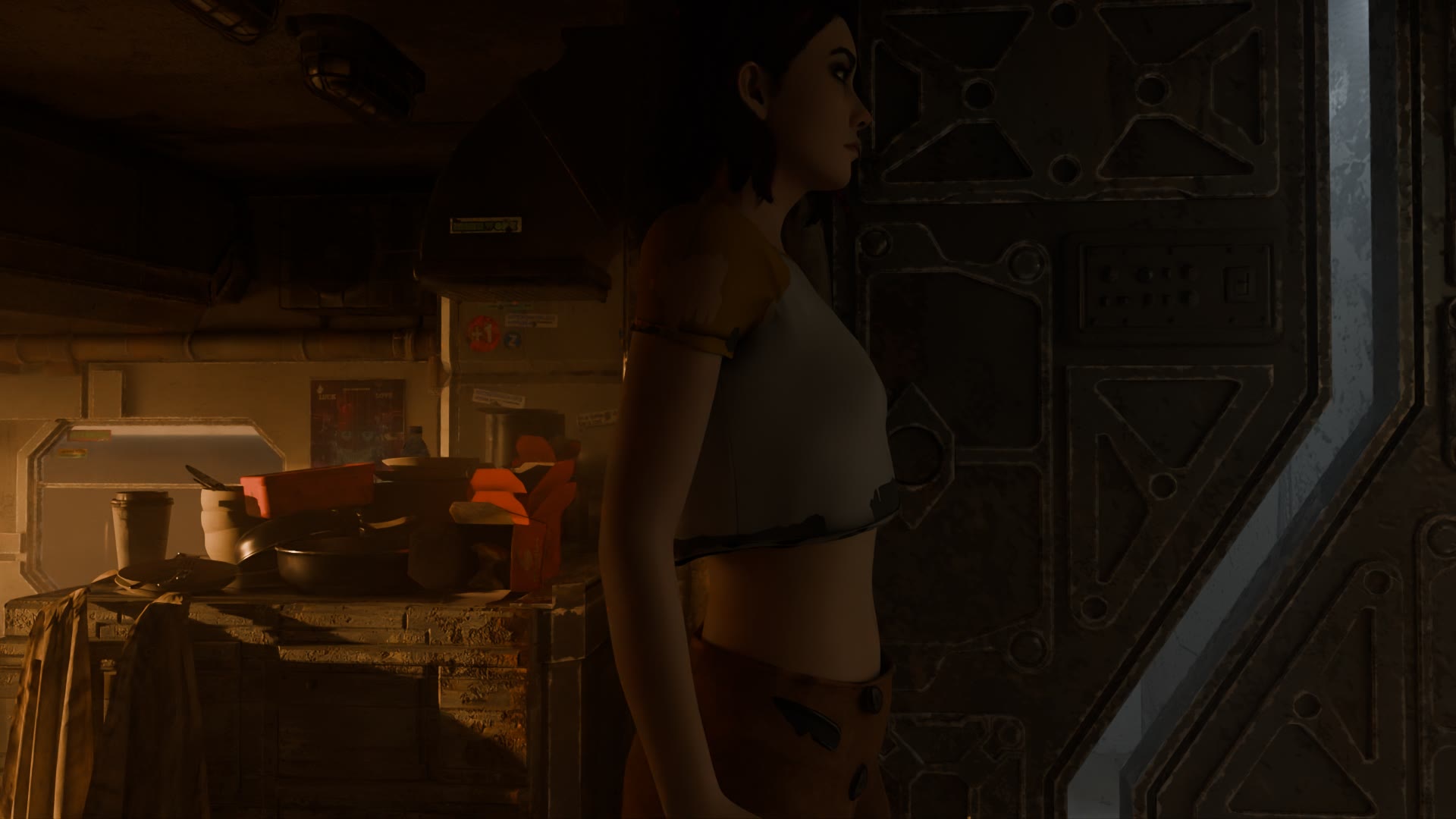
The apartment sequence became a testing ground for the film's quieter visual language. Warm light, constrained framing, and an environment crowded with objects place the character inside the world before the story opens into the city.
06 / OUTCOME
An unfinished film, but a complete production lesson
The final cut did not reach the finish line we initially planned. It did, however, leave behind a substantial world, a functioning multi-shot pipeline, and a much clearer understanding of how scope moves through every part of an animated production.
The project demanded constant movement between broad creative decisions and detailed technical work. Closing it early made the gap between a compelling frame and a finished sequence especially visible. That lesson now informs how I plan, prioritize, and define the minimum complete version of future films.
CREDITS
Production team
- Janos Finger
- Direction and primary production across 3D, animation, environments, lighting, rendering, compositing, edit, and sound
- Astrid Prittschmann
- Concept art and 2D animation
- Tim Boos
- Additional modeling
- Additional assets
- Third-party source assets were adapted and integrated throughout the production
